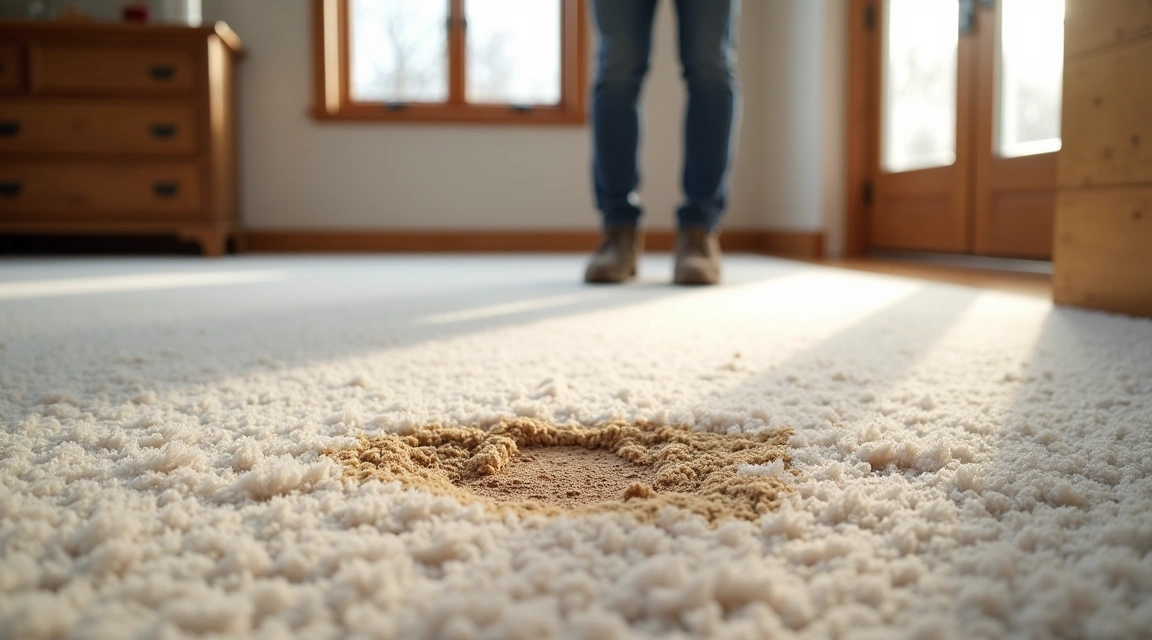
Carpet stains are among the most frustrating challenges homeowners face. Whether it’s a spilled glass of red wine during a dinner party, muddy paw prints from an enthusiastic pet, or an unfortunate coffee mishap during your morning routine, stains can quickly diminish the appearance of your flooring investment. While knowing how to remove stains is valuable, preventing them from setting in the first place is far more effective and less stressful. This comprehensive guide explores proven carpet stain prevention strategies that will help you maintain beautiful, clean carpets for years to come.
Understanding Carpet Stain Protection: What Works and Why
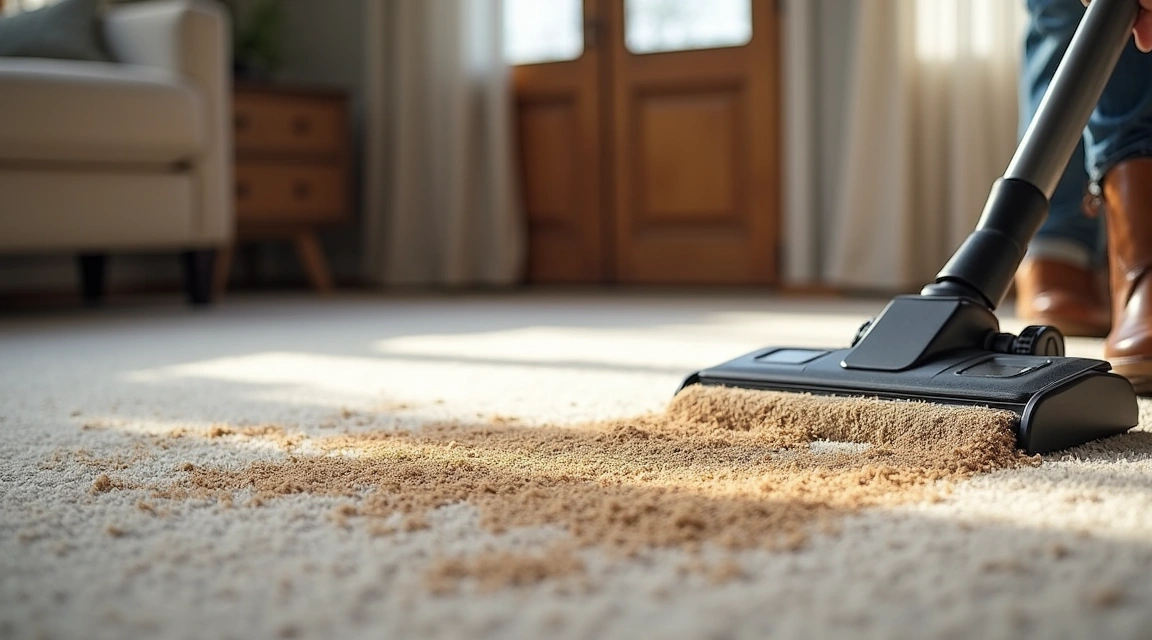
Before implementing prevention strategies, it’s helpful to understand how carpet fibers interact with common household substances. Modern carpets often come with factory-applied stain protection treatments that create a microscopic barrier around each fiber. These treatments work by reducing the carpet’s absorbency, giving you precious time to address spills before they become permanent stains.
The most common protective treatments include fluorochemical-based products like Scotchgard and newer silicone-based alternatives. Fluorochemical treatments have traditionally been the gold standard, creating an invisible shield that repels both water-based and oil-based substances. However, environmental concerns have led manufacturers to develop alternative formulations that maintain effectiveness while reducing environmental impact.
Silicone-based protectors offer excellent water repellency and are particularly effective against aqueous stains like juice, coffee, and wine. While they may not perform quite as well against oil-based substances, they represent a safer choice for households with children, pets, or environmental sensitivities. The key takeaway is that no protection is permanent—all treatments require reapplication every 12 to 24 months depending on foot traffic and cleaning frequency.
Essential Prevention Strategies for Every Household

Implementing a multi-layered prevention approach dramatically reduces your risk of permanent carpet staining. Here are the most effective strategies that require minimal effort but deliver maximum protection:
Establish a No-Shoes Policy: This single habit eliminates approximately 80% of dirt, debris, and potential staining agents from entering your carpeted areas. Provide a designated shoe storage area near entrances and offer comfortable house slippers for family and guests. Outdoor contaminants like oil, tar, fertilizers, and pesticides are among the most difficult substances to remove from carpet fibers.
Strategic Area Rug Placement: Position washable area rugs in high-risk zones such as entryways, beneath dining tables, in front of kitchen access points, and in pet feeding areas. These rugs act as sacrificial barriers that absorb spills and can be easily cleaned or replaced without affecting your primary carpeting investment.
Immediate Blotting Protocol: Keep clean white cloths or paper towels readily accessible throughout your home. When spills occur, blot immediately from the outside edges toward the center using a pressing motion—never rub or scrub, as this pushes the substance deeper into the carpet pile and can damage fibers. The first 60 seconds after a spill are critical; substances that sit longer begin chemical bonding with carpet fibers.
Professional Reapplication of Protectants: Schedule professional carpet cleaning with protectant reapplication annually for high-traffic areas and every 18-24 months for moderate-traffic spaces. Professional-grade products and application techniques provide superior coverage compared to consumer-grade sprays.
Comparing Popular Carpet Protection Methods

| Protection Method | Effectiveness | Longevity | Best For | Approximate Cost |
|---|---|---|---|---|
| Professional Fluorochemical Treatment | Excellent (water & oil protection) | 18-24 months | High-traffic homes, families with children | $150-300 per room |
| Professional Silicone Treatment | Very Good (primarily water-based) | 12-18 months | Eco-conscious households, pet owners | $125-250 per room |
| DIY Spray Protectants | Good (short-term protection) | 3-6 months | Spot treatment, rental properties | $15-40 per bottle |
| Factory-Applied Protection | Very Good to Excellent | 2-5 years (diminishes over time) | New carpet installations | Included or $50-150 upgrade |
Targeted Prevention by Stain Type
Different substances require specific prevention considerations. Understanding these nuances helps you implement the most effective protective measures for your household’s unique needs.
Beverage Stains (Coffee, Wine, Juice): These water-based stains are among the most common. Keep beverages on stable surfaces and use spill-proof containers whenever possible, especially around carpeted areas. Consider implementing a “no drinks in the living room” rule or restricting them to specific seating areas with washable throws. For households that entertain frequently, pre-treating high-risk areas with additional protectant before parties provides an extra safety margin.
Pet-Related Stains: Enzyme-based cleaners should be part of your immediate response kit, but prevention starts with training and designated pet zones. Use washable mats beneath food and water bowls, and consider waterproof training pads in areas where accidents are most likely. Regular grooming reduces the transfer of oils and dirt from pet fur to carpets.
Food Stains: Establish eating zones that exclude fully carpeted areas when possible. For families with young children, consider plastic floor mats beneath high chairs and at the dining table. Grease-based food stains (butter, sauces, oils) are particularly challenging because they attract dirt even after initial cleaning, creating a darkened spot over time.
Mud and Dirt: Allow mud to dry completely before addressing it—counterintuitive as this may seem. Dried mud can be vacuumed away, while wet mud smears and penetrates deeper. Implement a shoe-cleaning station outside entrances during wet seasons, and use entrance mats both outside and inside doorways.
Maintenance Habits That Extend Protection
Regular maintenance reinforces your protective measures and identifies potential problems before they become serious. Vacuum high-traffic areas at least twice weekly using a quality vacuum with strong suction and a beater bar to lift embedded particles. Annual or bi-annual professional deep cleaning removes accumulated soil that household vacuuming cannot address, refreshing the carpet’s appearance and preparing it for protectant reapplication.
Furniture placement strategies also contribute to stain prevention. Use furniture coasters beneath heavy pieces to prevent crushing carpet fibers, which makes those areas more vulnerable to staining. Rotate furniture periodically to distribute wear patterns and maintain consistent protectant coverage across the entire carpeted area.
When to Choose Professional vs. DIY Protection
For new carpet installations or whole-home protection, professional application delivers the most thorough and long-lasting results. Trained technicians ensure complete coverage, proper product dilution, and adequate drying time—factors that dramatically affect performance. The higher upfront cost translates to better protection and fewer reapplications over the carpet’s lifetime.
DIY spray protectants work well for spot treatment in specific high-risk areas, refreshing protection between professional treatments, or for renters who want temporary protection without significant investment. They’re also practical for treating area rugs, stair runners, or vehicle carpeting where professional service may be impractical.
Households with young children or multiple pets benefit most from professional-grade protection and should budget for annual treatments. Conversely, adult-only homes with minimal foot traffic can often extend treatment intervals to every two years without compromising protection.
The Bottom Line on Carpet Stain Prevention
Effective carpet stain prevention combines protective treatments, behavioral habits, and regular maintenance into a comprehensive strategy. No single approach provides complete protection, but layering multiple prevention tactics creates formidable defense against the inevitable spills and accidents of daily life. The modest investment in quality protectants and professional reapplication delivers substantial returns by extending carpet life, maintaining home value, and eliminating the stress of permanent staining. Start with the foundational habits—shoes-off policies, immediate blotting, and strategic rug placement—then add professional protection treatments based on your household’s specific risk factors and budget. Your carpets will reward you with years of beautiful, stain-free service.