Choosing the right flooring for your home is one of the most important decisions you’ll make during a renovation or new build. Two of the most popular options today are hardwood and luxury vinyl flooring. Both offer distinct advantages, but they serve different needs, budgets, and lifestyles. This guide will walk you through everything you need to know to make an informed choice between these two flooring types.
Understanding the differences between hardwood and luxury vinyl flooring helps you select the option that matches your priorities—whether that’s authenticity, durability, budget, or maintenance requirements. Let’s break down each aspect step by step so you can confidently choose the best flooring for your space.
Understanding Hardwood Flooring Basics
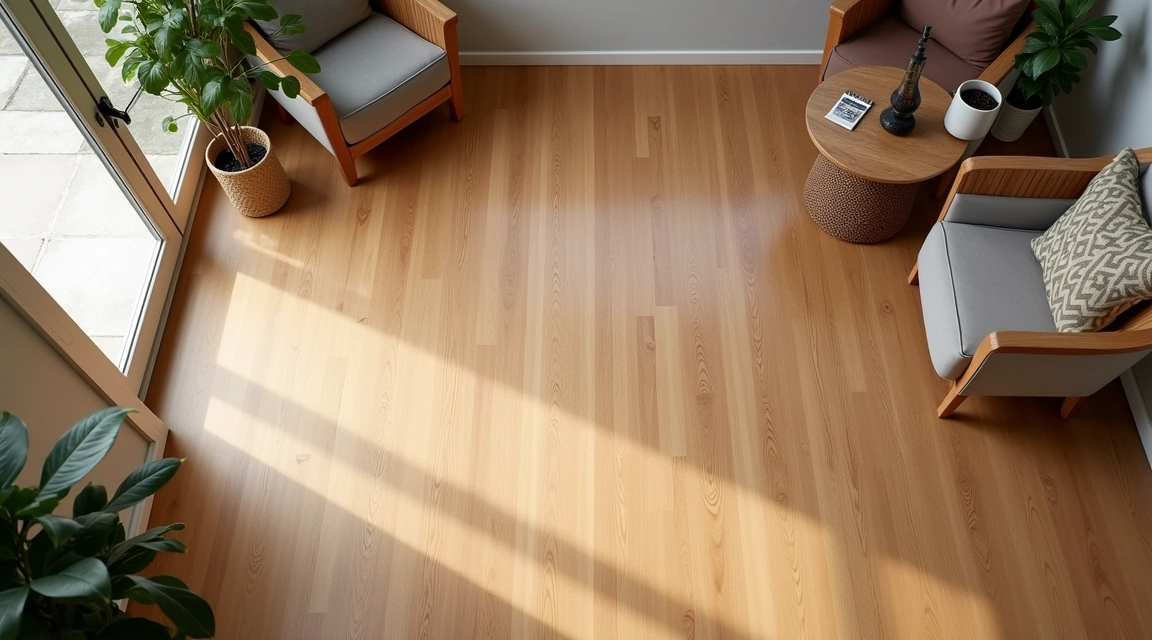
Hardwood flooring consists of solid wood planks milled from a single piece of timber. Common species include oak, maple, cherry, and walnut. Each plank displays natural grain patterns, color variations, and character marks that make every floor unique.
Step 1: Learn the two main types of hardwood flooring—solid hardwood and engineered hardwood. Solid hardwood is exactly what it sounds like: planks cut from a single piece of wood, typically three-quarters of an inch thick. Engineered hardwood features a real wood veneer on top of multiple layers of plywood or high-density fiberboard, making it more stable in humid environments.
Caution: Solid hardwood cannot be installed below grade (in basements) or in areas with high moisture like bathrooms, as it expands and contracts with humidity changes.
Step 2: Understand the finish options for hardwood floors. Most hardwood comes prefinished from the factory with protective polyurethane coatings, or it can be finished on-site after installation. Site-finished floors allow for custom stain colors but require several days of drying time and create dust during the finishing process.
Caution: Site-finished floors release strong odors during application that may require you to vacate your home for several days.
Hardwood flooring typically costs between $6 and $20 per square foot for materials, with installation adding another $3 to $10 per square foot depending on your location and the complexity of the job. Premium exotic woods can push costs even higher.
Understanding Luxury Vinyl Flooring Basics
Luxury vinyl flooring, often called LVP (luxury vinyl plank) or LVT (luxury vinyl tile), is a synthetic flooring product made from multiple layers of PVC vinyl. Modern manufacturing techniques allow luxury vinyl to convincingly mimic the appearance of hardwood, stone, or ceramic tile.
Step 3: Familiarize yourself with the layered construction of luxury vinyl. From bottom to top, quality LVP includes: a backing layer for stability, a core layer (either rigid or flexible), a photographic layer that creates the wood or stone appearance, a clear wear layer for protection, and often a top coating for added scratch resistance.
Caution: Not all luxury vinyl is created equal—the thickness of the wear layer (measured in mils) directly impacts durability. Look for at least 12 mils for residential use and 20 mils or more for high-traffic areas.
Step 4: Understand the installation methods for luxury vinyl. It comes in three main types: glue-down (adhered directly to the subfloor), click-lock floating floor (planks snap together without adhesive), and loose-lay (held in place by weight and friction). Click-lock is the most DIY-friendly option and allows for easier replacement of damaged planks.
Caution: Floating floors can develop a hollow sound when walked on if not installed over proper underlayment or on an uneven subfloor.
Luxury vinyl typically costs between $2 and $7 per square foot for materials, with installation adding $1 to $5 per square foot. This makes it roughly half the cost of hardwood in most cases.
Comparing Durability and Maintenance
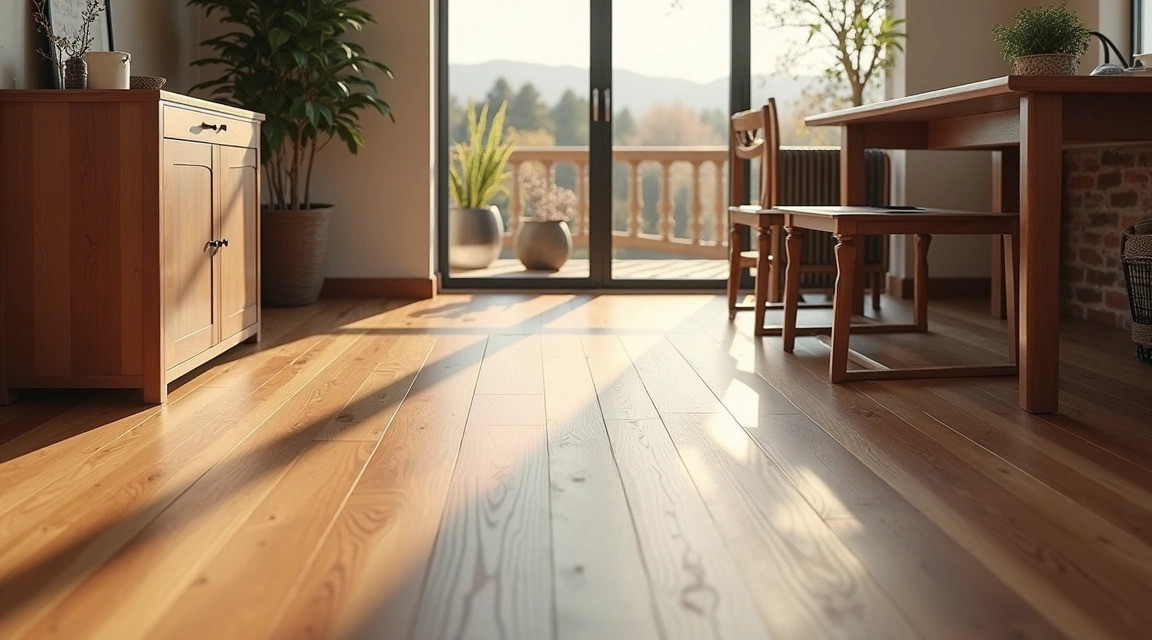
When it comes to daily wear and tear, luxury vinyl flooring holds a significant advantage. The thick wear layer resists scratches from pet claws, dropped objects, and furniture movement far better than hardwood. Luxury vinyl is also 100% waterproof, making it suitable for kitchens, bathrooms, laundry rooms, and basements where hardwood would be risky.
Step 5: Evaluate your household’s specific challenges. If you have large dogs, active children, or frequently host gatherings, luxury vinyl’s superior scratch and dent resistance will serve you better. Hardwood, while beautiful, shows every scratch and dent over time—though some homeowners appreciate this “lived-in” character as part of the floor’s story.
Caution: While luxury vinyl resists scratches better than hardwood, it cannot be refinished when damaged. Hardwood can be sanded and refinished multiple times over its lifespan, effectively giving you a brand-new floor.
Maintenance requirements differ significantly between the two. Hardwood floors need regular sweeping and occasional damp mopping with wood-specific cleaners. You must clean up spills immediately to prevent water damage and staining. Refinishing is required every 7 to 10 years in high-traffic areas, which involves sanding away the existing finish and applying new protective coats.
Luxury vinyl requires only regular sweeping and mopping with any pH-neutral floor cleaner. Spills can sit longer without causing damage, and no refinishing is ever needed. However, direct sunlight can cause some luxury vinyl products to fade or discolor over time, so window treatments may be necessary in sun-drenched rooms.
Weighing Aesthetics and Home Value
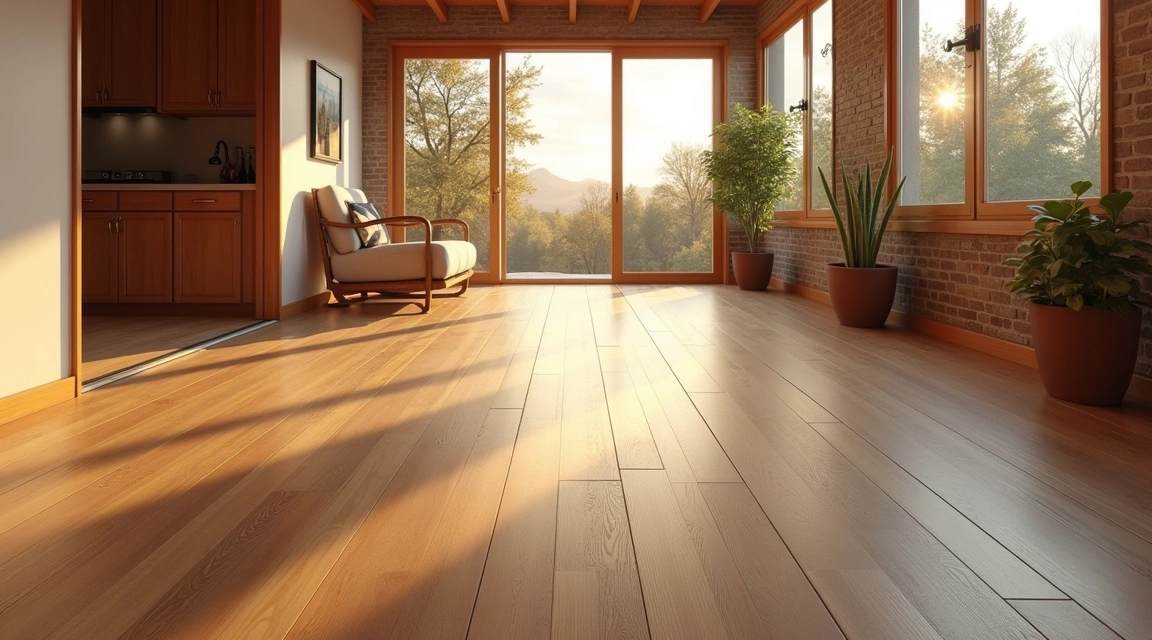
The appearance debate between hardwood and luxury vinyl has narrowed considerably in recent years. High-quality luxury vinyl now features embossed textures, realistic grain patterns, and varied plank widths that closely mimic real wood. In photographs or at a glance, many people cannot distinguish premium luxury vinyl from real hardwood.
Step 6: Consider the resale value impact of your choice. Real hardwood flooring remains a highly desirable feature for homebuyers and typically increases your home’s value. Real estate professionals consistently note that homes with hardwood floors sell faster and command higher prices than comparable homes with synthetic flooring.
Caution: The perceived value difference matters most in mid-range to high-end homes. In entry-level properties or rental units, quality luxury vinyl may actually be the smarter investment since it requires no maintenance and withstands tenant wear better.
Hardwood offers something luxury vinyl cannot: authenticity. Each hardwood plank is genuinely unique, cut from a living tree with its own growth patterns. The surface feels warmer to bare feet, and the subtle imperfections add character that synthetic products can only approximate. For many homeowners, especially in historic homes or traditional designs, nothing truly replaces real wood.
That said, luxury vinyl excels in modern and contemporary spaces where clean lines and consistent appearance matter more than organic variation. It also opens design possibilities in moisture-prone areas where hardwood isn’t feasible.
Common Mistakes When Choosing Between Hardwood and Luxury Vinyl
One frequent error is selecting hardwood for all rooms without considering moisture and traffic patterns. Installing hardwood in a basement, bathroom, or mudroom almost guarantees future problems with warping, cupping, or mold growth. Luxury vinyl handles these challenging environments effortlessly.
Another mistake is choosing the cheapest luxury vinyl available and expecting hardwood-like performance. Budget luxury vinyl (under $2 per square foot) often has thin wear layers that scratch easily, poor print quality that looks obviously fake, and limited warranty coverage. If you select luxury vinyl, invest in mid-grade or better products with at least 12-mil wear layers.
Many homeowners also underestimate installation requirements. Hardwood installation requires a skilled professional in most cases, while many people successfully install click-lock luxury vinyl themselves. Factor both material and labor costs into your total budget before deciding.
Finally, some buyers focus solely on initial cost without considering lifetime value. Hardwood costs more upfront but can last 100 years or more with proper maintenance and refinishing. Luxury vinyl typically lasts 15 to 25 years before requiring replacement, meaning you may need to replace it multiple times over the lifespan of a single hardwood floor.
Making Your Final Decision
Both hardwood and luxury vinyl flooring offer legitimate advantages for different situations. Choose hardwood if you value authenticity, plan to stay in your home long-term, want to maximize resale value, and can avoid installation in moisture-prone areas. The ability to refinish hardwood multiple times means it can literally last a lifetime despite its higher upfront cost.
Select luxury vinyl if budget is your primary concern, you need flooring in bathrooms or basements, you have pets or children who may damage floors, or you prefer minimal maintenance. Modern luxury vinyl looks remarkably convincing and performs exceptionally well in real-world conditions that would destroy hardwood.
Many homeowners choose both, installing hardwood in main living areas like living rooms, dining rooms, and bedrooms while using luxury vinyl in kitchens, bathrooms, entryways, and basements. This hybrid approach balances the aesthetic and value benefits of hardwood with the practical advantages of luxury vinyl where they’re needed most.
Take time to visit flooring showrooms and view full-room installations of both products. Walk on them, examine them closely, and even request samples to view in your home’s lighting. The right choice depends on your specific needs, lifestyle, and priorities—there is no universally “best” option, only the best option for your unique situation.