

Installing new carpet can transform a room, but understanding what you’ll pay requires asking the right questions before you schedule the work. This beginner’s guide walks you through essential questions to ask contractors, helping you avoid surprise charges and get accurate estimates for your carpet installation project.
Most homeowners spend between $700 and $2,000 for carpet installation in a single room, but this range varies widely based on room size, carpet quality, and preparation needs. Before you commit to a schedule, gathering specific information ensures you budget correctly and choose the right installer for your needs.
What Does the Base Price Include?
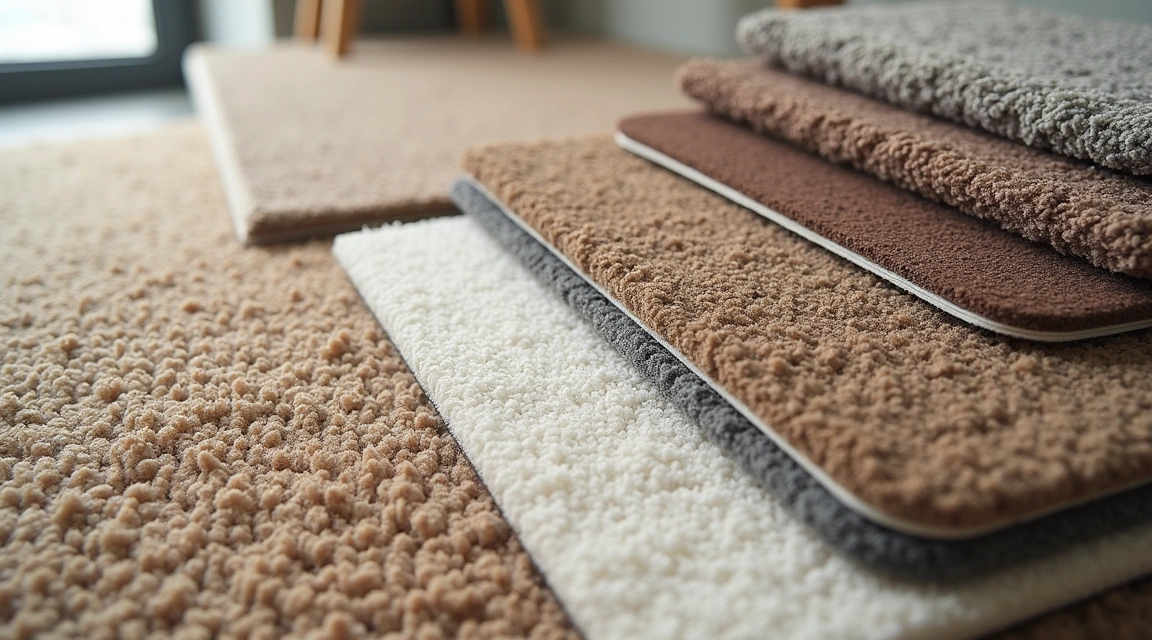
Step 1: Ask your contractor to itemize exactly what the quoted price covers. A complete quote should list carpet material, padding, installation labor, and basic floor preparation. Many contractors bundle these items into one price, while others separate them.
Caution: A suspiciously low quote often excludes padding, furniture moving, or disposal fees, which can add hundreds of dollars to your final bill.
Step 2: Request confirmation that padding is included. Quality padding extends carpet life and improves comfort. Standard padding costs $0.50 to $1.00 per square foot, while premium memory foam or moisture-resistant padding runs $1.50 to $2.50 per square foot.
Caution: Skipping padding to save money shortens carpet lifespan and voids many manufacturer warranties.
Step 3: Verify whether the estimate covers furniture removal and replacement. Professional furniture moving typically adds $50 to $200 depending on room size and furniture quantity. Some installers require homeowners to clear rooms completely before installation day.
Caution: Moving heavy furniture yourself risks injury and may damage walls or flooring if done incorrectly.
Step 4: Ask about old carpet and padding removal. Disposal usually costs $1.00 to $2.00 per square yard. Some contractors include removal in their base price, while others charge separately.
Caution: Leaving old carpet in place creates an uneven surface that damages new carpet and creates tripping hazards.
What Additional Costs Might Apply?

Step 5: Inquire about subfloor repair or preparation charges. Installers typically charge $2.00 to $6.00 per square foot to repair damaged subfloors, replace squeaky boards, or level uneven surfaces. These issues often aren’t visible until old carpet comes up.
Caution: Installing carpet over damaged subfloor causes premature wear, creates soft spots, and may violate warranty terms.
Step 6: Ask whether stairs require extra charges. Stair carpeting costs $10 to $45 per step because it demands more labor, precise measurements, and specialized techniques. A standard staircase with 13 steps can add $130 to $585 to your project.
Caution: Budget quotes that don’t mention stairs separately often underestimate total cost by several hundred dollars.
Step 7: Request information about transition strips and molding. Transition strips between rooms or flooring types cost $3 to $10 per linear foot installed. New baseboards or quarter-round molding adds $1.50 to $4.00 per linear foot.
Caution: Removing baseboards during installation may damage them beyond reuse, requiring replacement you hadn’t budgeted for.
How Do Room Characteristics Affect Price?

Step 8: Describe your room layout and ask how it impacts cost. Rooms with many corners, closets, or alcoves require more cutting and fitting, increasing labor time. Installers may charge 10 to 20 percent more for complex layouts compared to simple rectangular rooms.
Caution: Accurate measurements matter—overestimating by even one foot in length or width wastes material you’ve already paid for.
Step 9: Mention any moisture concerns or previous water damage. Rooms prone to humidity, such as basements, may need moisture barriers costing $0.50 to $1.50 per square foot. Failure to address moisture causes mold growth, odors, and carpet deterioration.
Caution: Installing standard carpet and padding in moisture-prone areas without proper barriers risks health issues and material failure within months.
Step 10: Ask whether your existing flooring type affects installation price. Removing tile or hardwood before carpet installation costs more than removing old carpet. Concrete floors may need extra leveling or moisture testing.
Caution: Concealing valuable hardwood under carpet reduces home resale value—consider whether carpet is truly the best choice for that space.
What Should You Know About Timing and Scheduling?
Step 11: Ask how long installation takes and whether you need to vacate your home. Most single-room installations complete in 4 to 8 hours. Whole-home projects may span two to three days. You’ll need to avoid walking on fresh carpet for 24 hours.
Caution: Rushing installation or walking on new carpet too soon can cause seams to separate and edges to lift.
Step 12: Inquire about lead time between ordering and installation. Custom carpet orders take 2 to 4 weeks to arrive. In-stock options may install within days. Understanding timelines helps you coordinate other home projects or moving dates.
Caution: Contractors who promise immediate installation of specialty carpet likely don’t have your chosen product in stock and may substitute without permission.
Step 13: Request details about deposit requirements and payment schedules. Reputable installers typically ask for 10 to 50 percent upfront, with the balance due upon completion. Avoid paying the full amount before work begins.
Caution: Contractors demanding 100 percent payment upfront may be financially unstable or may never return to complete the work.
What Credentials and Guarantees Should You Verify?
Step 14: Ask whether the installer holds relevant licenses and insurance. Licensed contractors carry liability insurance and worker’s compensation coverage. Request proof of both to protect yourself from liability if someone is injured during installation.
Caution: Hiring uninsured installers leaves you financially responsible for injuries or property damage that occur during the project.
Step 15: Request information about workmanship warranties. Quality installers guarantee their work for one to five years, covering seam separation, buckling, and improper stretching. Carpet manufacturers provide separate product warranties.
Caution: Verbal warranty promises mean nothing—get guarantee terms in writing before signing any contract.
Step 16: Ask to see references or recent project photos. Established installers willingly share contact information for past clients or show completed work. Speaking with previous customers reveals reliability, quality, and whether the contractor honored quoted prices.
Caution: Contractors who refuse references or become defensive when asked may have poor work quality or unresolved customer complaints.
Common Mistakes to Avoid
Many homeowners make the error of comparing quotes based solely on total price without understanding what each estimate includes. A $1,200 quote that covers everything may cost less than a $900 quote that excludes padding, removal, and furniture moving.
Another frequent mistake involves choosing carpet based on appearance alone without considering fiber type and durability for your specific needs. High-traffic areas require different carpet than bedrooms. Ask installers to recommend appropriate options for each space.
Homeowners also commonly fail to measure rooms accurately before requesting quotes. Professional measurements ensure accurate material estimates, but understanding approximate square footage helps you identify inflated quotes. Measure room length and width, multiply them, and add 10 percent for waste to estimate needed square footage.
Skipping the written contract is a critical error. Even with reputable contractors, verbal agreements lead to misunderstandings. Insist on a detailed written contract listing all materials, labor, additional services, timeline, payment schedule, and warranty information before work begins.
Finally, many people schedule installation without preparing properly. Plan to remove small items, wall hangings, and breakables yourself. Arrange pet and child care for installation day. Clear pathways from the entry to installation rooms so workers can move materials efficiently.
Moving Forward With Confidence
Asking these questions before scheduling carpet installation protects you from unexpected costs and ensures quality results. Create a checklist from this guide and use it during every contractor consultation. Compare at least three detailed written estimates that answer all your questions.
Remember that the lowest bid isn’t always the best value. Consider the installer’s experience, warranty terms, insurance coverage, and reputation alongside price. A moderately priced contractor with excellent references and comprehensive coverage provides better long-term value than a cheap installer who cuts corners.
Take time to verify credentials, understand exactly what you’re paying for, and get every detail in writing. These steps turn carpet installation from a stressful gamble into a straightforward home improvement project with predictable costs and professional results.
Once you’ve selected your installer and scheduled the work, you can look forward to enjoying fresh, beautiful carpet that enhances your home’s comfort and appearance for years to come.