
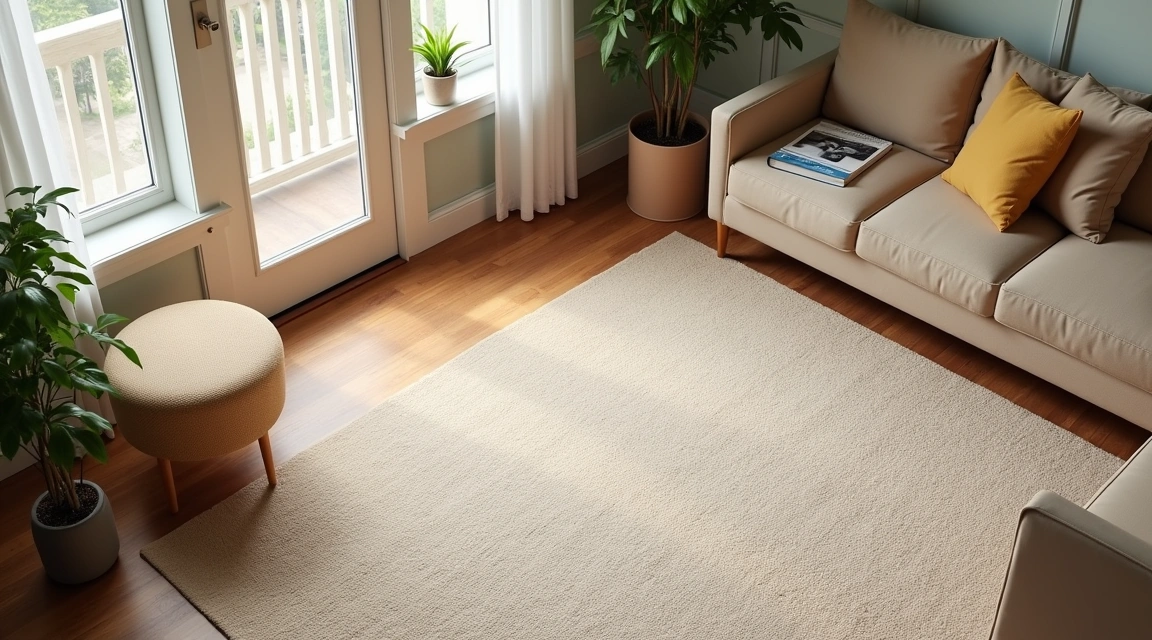
Homeowners planning to replace or install new carpet face a key decision: understanding the true cost before signing a contract. In 2025, the average carpet installation runs between $3 and $11 per square foot, depending on material quality, room preparation, and geographic location. This wide range means asking the right questions upfront can save hundreds or even thousands of dollars—and prevent unpleasant surprises when the bill arrives.
Carpet installation costs have risen steadily over the past three years due to supply chain adjustments, higher labor rates, and increased demand for premium materials. Unlike many home improvement projects, carpet pricing is rarely transparent on a first call. Installation fees, padding upgrades, furniture moving, and removal of old flooring often appear as separate line items, making an accurate budget difficult without a detailed quote. Homeowners who schedule installation without clarifying these variables frequently encounter unexpected charges that inflate the final invoice by 20 to 40 percent.
What Should Be Included in the Base Quote?
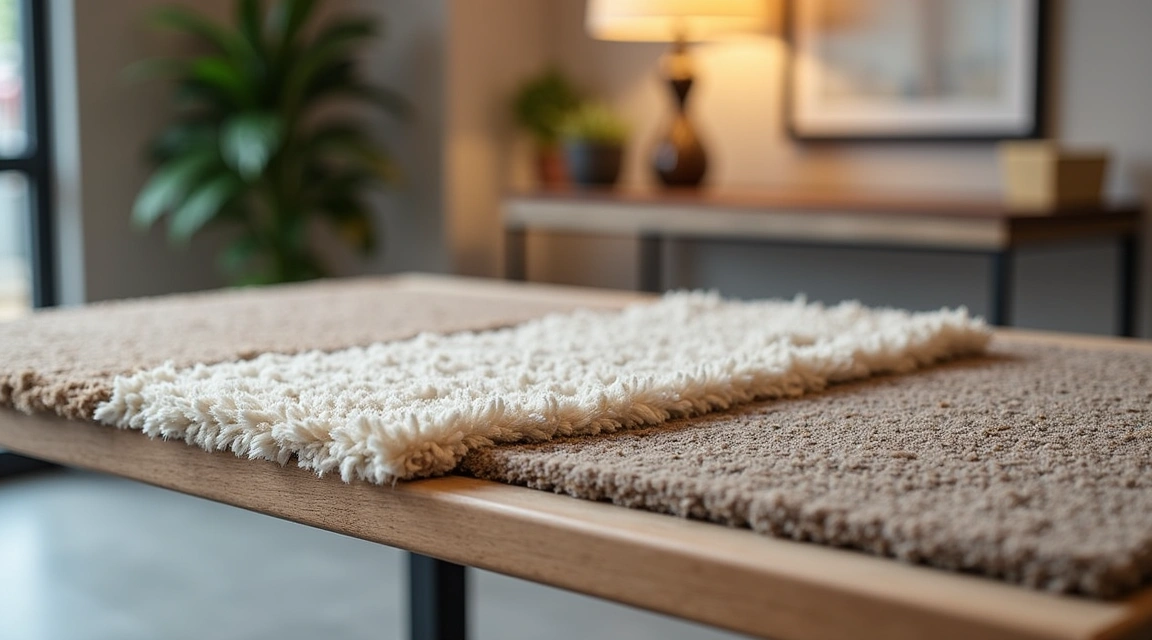
Before scheduling installation, ask the contractor or retailer to itemize every component of the job. A complete base quote should include carpet cost per square foot, padding or underlayment, labor for installation, and any necessary tack strips or transition moldings. Many installers advertise a low per-square-foot rate but exclude padding, which adds $0.50 to $2.00 per square foot depending on density and material.
Standard padding ranges from 6-pound density foam to 8-pound memory foam or rubber. Higher-density padding extends carpet life and improves comfort, but the upgrade is often presented as optional during the sale. Confirm whether the base price includes padding that meets the carpet manufacturer’s warranty requirements. Some warranties are voided if padding density falls below a specified threshold, leaving homeowners liable for premature wear.
Also ask if the quote covers removal and disposal of existing carpet and pad. Removal typically costs $1 to $2 per square foot. If the subfloor requires repair—common in older homes—that work is usually billed separately. Request an inspection before the quote is finalized so you receive a single, binding estimate rather than a ballpark figure subject to revision on installation day.
How Do Room Conditions and Preparation Affect Price?
The condition of your subfloor, the shape of the room, and the presence of stairs or closets all influence installation cost. Rectangular rooms with few obstacles are the least expensive to carpet. Irregularly shaped spaces, multiple doorways, or rooms requiring custom cuts increase labor time and material waste, pushing costs toward the higher end of the range.
Stairs add significant expense. Each step typically costs $5 to $10 to carpet, and some installers charge extra for winding or curved staircases. If your project includes a staircase, ask whether the quote reflects per-step pricing or a flat stair surcharge.
Subfloor preparation is another variable. Concrete floors may need grinding or leveling. Wood subfloors often require new plywood patches or squeaky board repair. Moisture issues must be resolved before installation to prevent mold or adhesive failure. Ask the installer to inspect the subfloor and provide a written assessment. If prep work is needed, request a separate line item so you understand exactly what drives the final cost.
Furniture moving is sometimes included, sometimes not. Clarify whether the installer will move beds, dressers, and other heavy items, or whether you need to clear the room yourself. Some companies offer furniture moving as a free service; others charge $50 to $150 per room. Knowing this in advance helps you decide whether to hire help or handle it personally.
What Are the Current Trends in Carpet Installation Pricing?
Three trends are shaping carpet installation costs in 2025. First, demand for eco-friendly and low-VOC carpets has increased, particularly among families with young children or members sensitive to indoor air quality. These carpets often carry a 10 to 25 percent price premium but offer faster off-gassing and third-party certifications such as Green Label Plus. Installers report that clients now routinely ask about emissions and material sourcing during the quoting process.
Second, labor shortages in the flooring trades have driven installation rates higher in many metro areas. Experienced installers are booking two to four weeks out, and some companies charge rush fees for projects scheduled within a week. Homeowners willing to wait often secure lower rates, while those needing immediate installation may pay 15 to 20 percent more.
Third, modular carpet tiles have gained traction as a DIY-friendly alternative to broadloom rolls. While tiles still require careful planning and a smooth subfloor, many homeowners install them without professional help, eliminating labor costs entirely. Retailers now offer installation kits with adhesive squares and seam tape, making modular carpet a budget option for basements, home offices, and rental properties.
Questions to Ask Before You Sign
Compile a checklist before contacting installers. Key questions include:
- Does the quote include padding, and what density is provided?
- Are removal and disposal of old flooring included, or billed separately?
- Will you move furniture, or is that my responsibility?
- What subfloor prep is needed, and how much will it add to the total?
- Are stairs, closets, and transitions priced per square foot or as separate items?
- Does the estimate include all materials, or will I need to purchase tack strips, adhesive, or moldings separately?
- Is there a warranty on the installation labor, and how long does it last?
- What is your cancellation or rescheduling policy?
Request answers in writing. Verbal estimates are difficult to enforce if disputes arise. A detailed, itemized quote protects both parties and ensures the project stays on budget.
Regional and Seasonal Variations
Installation costs vary by region. Urban areas with higher living costs—such as San Francisco, New York, and Seattle—typically see rates 20 to 30 percent above the national average. Rural markets and smaller cities in the Midwest and South often offer lower labor rates, though material costs remain fairly consistent nationwide due to centralized distribution.
Seasonality also plays a role. Late fall and winter are slower months for flooring installers, and many offer discounts to fill their schedules. Spring and early summer see peak demand as homeowners tackle renovation projects before vacations or family events. Booking installation in January or February can yield savings of 10 to 15 percent compared to May or June pricing.
Avoiding Common Pitfalls
One frequent mistake is accepting the lowest bid without verifying what it includes. A rock-bottom quote may omit padding, subfloor prep, or furniture moving, transforming an apparent bargain into a mid-range or expensive job once all extras are added. Always compare apples to apples by requesting identical scope from each contractor.
Another pitfall is failing to confirm installer credentials. Reputable installers carry liability insurance and offer labor warranties of at least one year. Ask for proof of insurance and references from recent clients. A quick call to a past customer can reveal whether the installer showed up on time, cleaned up thoroughly, and handled unexpected issues professionally.
Finally, avoid scheduling installation until you have seen and touched the actual carpet in natural light. Samples under showroom lighting often look different at home. Many retailers loan sample squares for overnight review. Take advantage of this service to ensure the color, texture, and pile height meet your expectations before committing to hundreds of square feet.
By asking detailed questions about what is included, understanding regional and seasonal pricing trends, and verifying installer credentials, homeowners can schedule carpet installation with confidence and avoid budget-busting surprises. A thorough upfront conversation turns a potentially stressful project into a smooth, predictable home improvement experience.