

When I bought my first home, I walked into a carpet showroom excited about the plush samples—only to discover that the sticker price was just the beginning. Installation fees, padding upgrades, furniture moving, and disposal charges piled on fast. I learned the hard way that asking the right questions upfront saves both money and headaches. If you’re shopping for new carpet, understanding the full cost picture before you commit can make the difference between a smooth project and budget shock at the finish line.
In this guide, I’ll share the key questions you should ask any carpet retailer or installer before signing a contract. These insights come from my own experience as a homeowner, conversations with installers, and lessons learned from friends who’ve tackled similar projects. Whether you’re replacing worn carpet in a single bedroom or outfitting an entire house, these questions will help you compare quotes accurately and avoid surprise charges.
What’s Included in the Installation Quote?
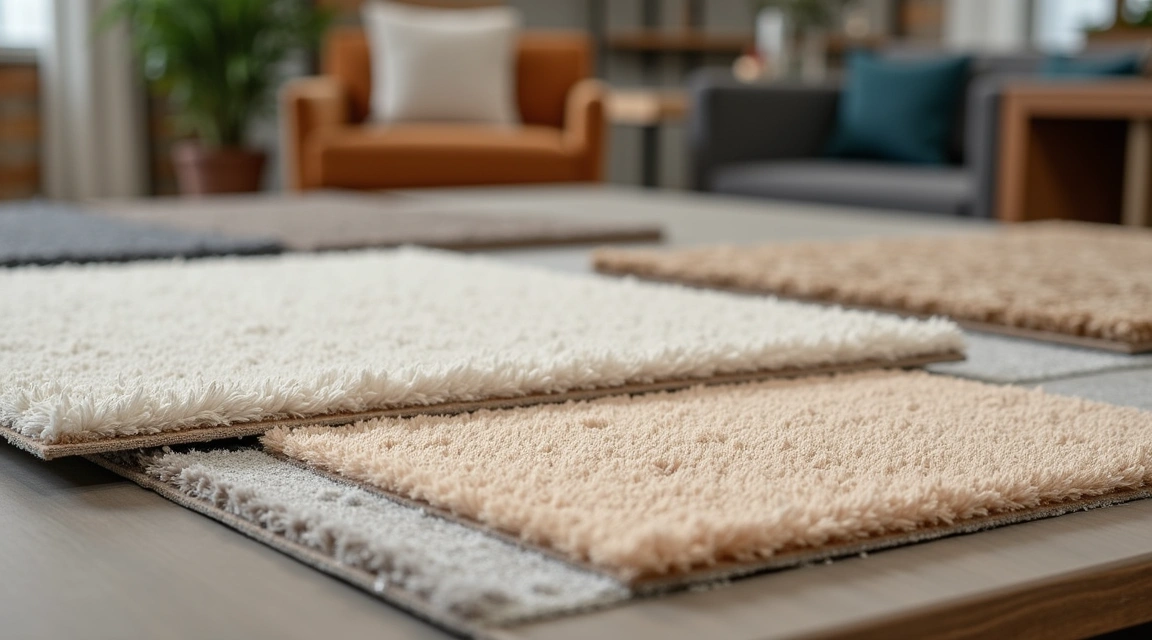
The first and most important question is deceptively simple: what exactly does the quoted installation price cover? Many retailers advertise a per-square-foot installation rate, but the fine print matters enormously.
A comprehensive installation quote should include labor for laying the carpet, tack strips, transition strips between rooms, and basic seaming. Some installers bundle padding into the installation fee; others charge separately. When I got my living room carpeted, one vendor quoted installation at $2 per square foot but excluded padding, while another quoted $3.50 with premium padding included. On paper, the first looked cheaper—until I added padding and realized the second was actually the better deal.
Ask whether the quote covers removal and disposal of your old carpet. Some installers include this as standard; others tack on a removal fee that can run anywhere from $1 to $2 per square yard, depending on your region and the complexity of the job. If you have glued-down carpet or multiple layers, removal becomes more labor-intensive and expensive.
Furniture moving is another frequent surprise. Most installers will move lighter furniture like chairs and side tables at no extra charge, but heavy items—beds, dressers, entertainment centers—often cost extra or require you to clear the room yourself. I spent an entire Saturday hauling furniture into the garage because I hadn’t asked about moving fees upfront. Clarify what the installer will and won’t move, and get that in writing.
Don’t forget to ask about subfloor preparation. If your subfloor has damage, unevenness, or moisture issues, the installer may need to add plywood, apply leveling compound, or address mold. These repairs are rarely included in the base installation quote and can add hundreds of dollars to the final bill. A reputable installer will inspect the subfloor before quoting, but it’s still smart to ask explicitly what happens if problems are discovered mid-project.
For more detailed guidance on navigating carpet projects, visit our Carpet Installation Cost section for additional tips and cost breakdowns.
What Are the Hidden Fees and Extras?
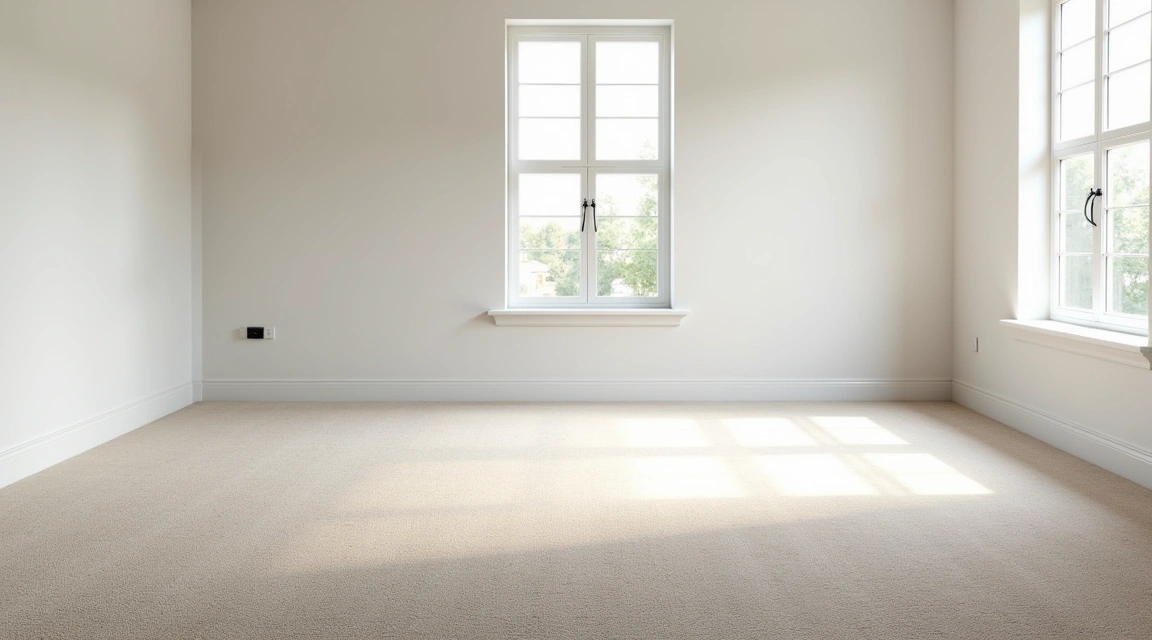
Even when you have a detailed quote, hidden fees have a way of sneaking in. Knowing where these extras typically appear helps you budget realistically and negotiate better terms.
Stair installation almost always costs more than flat flooring. Stairs require precise measuring, custom cutting, and extra labor to secure the carpet on each tread and riser. Installers often charge per step—sometimes $5 to $15 per step, depending on complexity and whether you want a waterfall or cap-and-band style. If your project includes a staircase, get a separate line-item quote for the stairs so you’re not caught off guard.
Transition strips and thresholds are another common add-on. These metal or wood strips bridge the gap between carpet and tile, hardwood, or laminate in doorways. Standard aluminum transitions are usually inexpensive, but if you want wood or brushed nickel to match your décor, expect to pay more. I opted for oak transitions to match my hardwood floors, and each strip added about $15 to the total—not a fortune, but it added up across six doorways.
Pattern matching can increase both material waste and labor time. If you choose a carpet with a bold pattern or directional texture, the installer must align seams carefully, which means ordering extra material and spending more time on layout. Ask whether your carpet choice requires pattern matching and how much waste to expect. Installers typically recommend ordering 10% extra for waste on standard carpet; patterned styles may need 15% or more.
Warranty and protection plans are often pitched at the point of sale. Some are worthwhile—particularly stain warranties from reputable manufacturers—but others are overpriced insurance policies that duplicate coverage you already have through your homeowner’s policy. Read the terms carefully, and ask what’s excluded. Many warranties won’t cover pet damage, burns, or flooding, which are the most common sources of carpet damage in real life.
How Should I Compare Quotes from Multiple Installers?
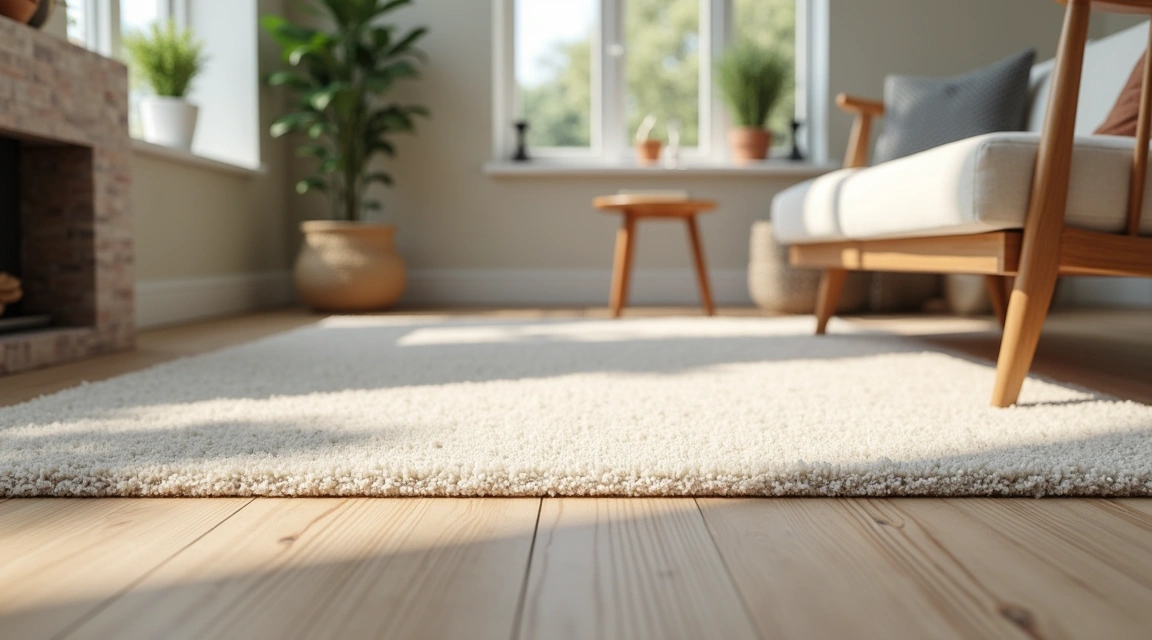
Shopping around is essential, but comparing quotes accurately requires more than just looking at the bottom-line number. I made the mistake of choosing the cheapest quote on my first carpet job—and ended up with poorly aligned seams and padding that compressed within a year.
When you request quotes, make sure each installer is pricing the same scope of work. Give every bidder the same room dimensions, the same carpet specs, and the same list of services (removal, padding, furniture moving). If one quote includes premium padding and another includes builder-grade foam, you’re not comparing apples to apples.
Ask about the installer’s experience and references. A low quote from an inexperienced crew can cost you more in the long run if seams are visible, edges aren’t secured properly, or the padding isn’t installed evenly. Don’t be shy about asking for photos of recent work or contact information for past clients. A confident professional will gladly provide references.
Check whether the installer is licensed, insured, and bonded. If an uninsured worker is injured on your property, you could be liable. If the installer damages your walls or subfloor and has no insurance, you’re stuck with the repair bill. Verifying credentials takes five minutes and can save you thousands in liability.
Review the payment schedule and contract terms. Reputable installers typically ask for a deposit (often 25% to 50%) and the balance upon completion. Be cautious if someone demands full payment upfront—that’s a red flag for fly-by-night operators. Make sure the contract specifies the carpet brand and model, the type of padding, the installation timeline, and what happens if the installer discovers subfloor issues or delays.
Finally, ask about the warranty on installation labor. Even the best carpet can fail if it’s installed incorrectly. A one-year labor warranty is standard; some installers offer longer coverage. This warranty should cover seam separation, wrinkles, and loose edges—not normal wear and tear, but defects in the installation workmanship.
Who Should Focus Most on These Questions?
These questions are valuable for any homeowner buying carpet, but they’re especially critical if you’re working with a tight budget, tackling a large project, or buying carpet for the first time.
First-time buyers often don’t realize how much the “extras” add up. If you’ve never hired an installer before, you might assume the advertised per-square-foot price is all you’ll pay. Asking detailed questions upfront prevents budget overruns and ensures you’re comparing real total costs, not just the teaser rate in the ad.
Homeowners on a fixed budget need to know the full cost before committing. If you’ve allocated $3,000 for carpet and installation, discovering halfway through that removal, padding, and stair work will add another $800 puts you in a tough spot. Getting every fee itemized at the quote stage lets you adjust your plan—maybe choosing a less expensive carpet style or handling furniture removal yourself—before you’re locked in.
If you’re installing carpet in a large area or throughout multiple rooms, even small per-square-foot differences multiply fast. A quote that looks only slightly cheaper per foot can translate into hundreds of dollars of savings or overages across a whole house. Detailed questioning also helps you negotiate: when you understand each line item, you can ask for discounts on padding upgrades or waived removal fees as part of a larger package deal.
Finally, anyone choosing premium or specialty carpet should ask extra questions about pattern matching, seam placement, and installer expertise. High-end carpet deserves skilled installation; a bargain installer who’s great with builder-grade Berber may not have the experience to handle a complex patterned wool. Make sure your installer has worked with your carpet type before, and ask to see examples of similar installations.
Frequently Asked Questions
Should I buy carpet and installation together from one retailer, or hire an independent installer?
Both approaches have pros and cons. Buying from a single retailer (like a big-box store) offers convenience and often a bundled warranty covering both materials and labor. The downside is less flexibility in choosing your installer, and the labor crew may be subcontracted with variable quality. Buying carpet separately and hiring your own installer gives you more control over who does the work and can sometimes save money, but you’ll need to coordinate delivery and manage two separate warranties. If you go the independent route, make sure your carpet warranty doesn’t require professional installation by an approved installer, or you could void the coverage.
How much should I budget for carpet padding, and does it really matter?
Padding typically costs between $0.30 and $1.50 per square foot, depending on thickness, density, and material. It absolutely matters—good padding extends carpet life, improves comfort underfoot, and enhances insulation and sound dampening. Skimping on padding is one of the most common mistakes I see homeowners make. A $4-per-yard carpet on quality 8-pound-density padding will outperform a $6-per-yard carpet on cheap 3-pound foam. Ask your installer to explain the padding options and choose at least a mid-grade product. The modest extra cost pays off in durability and comfort for years.
What should I do if the installer finds subfloor damage after starting work?
This is why it’s crucial to have a clear agreement about how unexpected repairs are handled. A good contract will specify that the installer must notify you before proceeding with any extra work and provide a written estimate for the additional cost. If significant subfloor damage is discovered, don’t let the installer pressure you into an immediate decision. Get a second opinion if the repair cost seems excessive, and make sure any added work is documented in a written change order with pricing and timeline. In some cases, particularly with moisture or structural issues, you may need to bring in a separate contractor (like a flooring specialist or general contractor) rather than having the carpet installer attempt a repair outside their expertise.