

Estimating the cost of a new floor installation can feel overwhelming, especially when online calculators produce wildly different results. The accuracy of any floor installation cost estimator hinges on precise measurements and clear understanding of your project scope. Before requesting quotes or using digital tools, homeowners should gather specific data points that directly impact material quantities, labor hours, and overall budget. This guide walks through the essential measurements and preparatory steps that ensure your cost estimates align with reality.
Why Accurate Measurements Matter More Than You Think
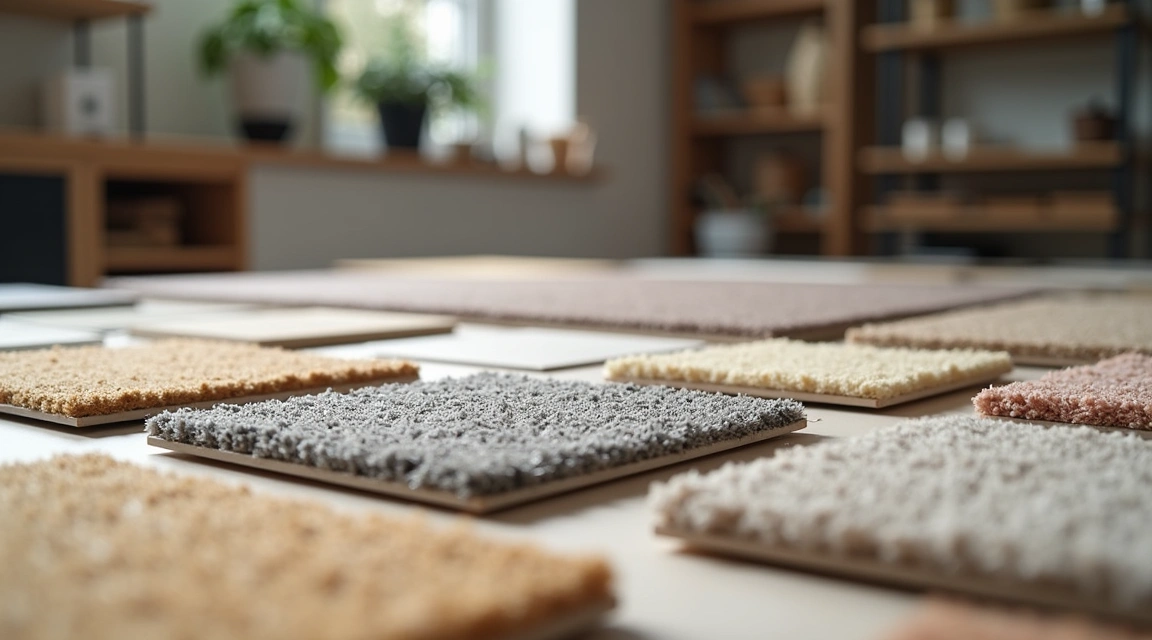
Most flooring contractors price jobs based on square footage, but that single number tells only part of the story. A 200-square-foot room with complex angles, multiple doorways, and built-in cabinets requires more material and labor than an open 200-square-foot space. Professional installers account for waste factors—typically 5 to 15 percent depending on layout and material—that homeowners often overlook when using basic cost estimators.
Inaccurate measurements lead to budget shortfalls mid-project or excess material purchases that cannot be returned once opened. For materials sold by the box or plank, such as laminate or engineered hardwood, even a 10-square-foot miscalculation can mean buying an entire additional carton. Tile installations magnify these errors: diagonal patterns or herringbone layouts demand significantly more cuts and waste than straight lay patterns, pushing costs higher than a simple square-footage calculator suggests.
Understanding what to measure—and how to measure it—gives you leverage when comparing contractor bids and confidence that your chosen floor installation cost estimator reflects your actual needs rather than generic averages.
Essential Measurements Every Homeowner Must Take
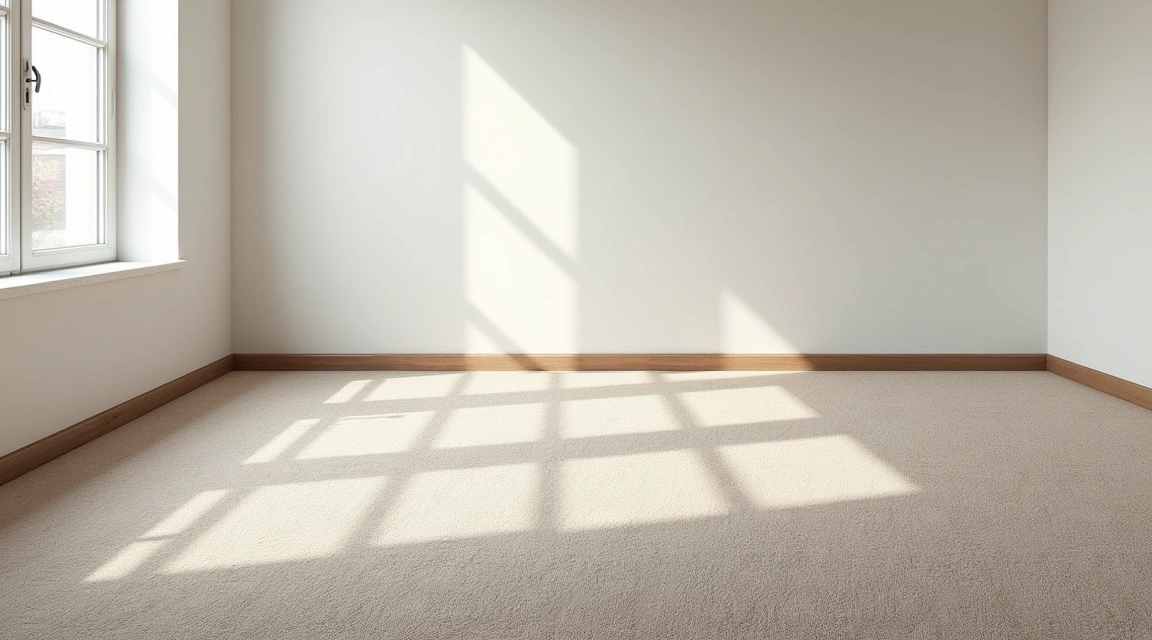
Start with the gross square footage of each room where you plan to install new flooring. Measure the length and width at the longest points, then multiply to calculate area. For rectangular rooms, this is straightforward. For irregular shapes, divide the space into rectangles or use graph paper to sketch the layout, measure each section, and sum the areas.
Record the following details room by room:
- Length and width: Measure in feet and inches at the room’s widest points, including alcoves or closets that will receive the same flooring.
- Doorways and transitions: Count the number of doorways and note the width of each. Transition strips, thresholds, and trimmed door casings add material and labor costs.
- Obstructions: Measure around permanent fixtures such as kitchen islands, built-in bookcases, or fireplaces. Note whether flooring will run under appliances or cabinetry.
- Existing floor condition: Document the current flooring type and whether it must be removed. Removal of ceramic tile or glued carpet pad is labor-intensive and increases installation costs.
- Subfloor level and condition: Check for dips, squeaks, or damage. Many estimators assume a level, sound subfloor. If yours requires plywood reinforcement or leveling compound, factor that into your budget.
Measure the room’s perimeter for baseboards and quarter-round molding if you plan to replace or add trim. Flooring installers often include baseboard removal and reinstallation in quotes, but new molding is typically an add-on.
For stairs, count each tread (the horizontal step surface) and riser (the vertical face). Stair installations are usually priced per step rather than per square foot because of the precision cutting and fitting required.
Comparing Estimation Methods: Manual vs. Digital Tools vs. Professional On-Site

Once you have accurate measurements, you can use different methods to estimate installation costs. Each approach has strengths and limitations depending on your project complexity and material choice.
| Method | Best For | Accuracy Level | Time Required | Caveats |
|---|---|---|---|---|
| Manual Calculation | Simple rectangular rooms, single material type | Moderate (if waste factor included) | 15–30 minutes | Requires knowledge of local labor rates and material costs; does not account for subfloor prep or removal |
| Online Cost Estimator | Quick ballpark for planning, comparing material options | Low to moderate | 5–10 minutes | Uses regional averages; may not reflect your specific layout, existing floor condition, or contractor availability |
| Retailer In-Store Estimator | Material budgeting when shopping at big-box stores | Moderate | 20–40 minutes | Focuses on material quantity; installation quotes may come from third-party contractors with variable pricing |
| Professional On-Site Assessment | Complex layouts, subfloor concerns, high-end materials | High | 1–2 hours (including quote preparation) | Most accurate but requires scheduling; some contractors charge a consultation fee refundable upon project acceptance |
Manual calculations work well if you have straightforward rooms and access to current material and labor pricing. Multiply your total square footage by the cost per square foot for both materials and installation, then add 10 percent for waste. Include separate line items for underlayment, transitions, and molding.
Online estimators are useful for initial budgeting and comparing the relative cost of hardwood versus luxury vinyl or tile. Input your square footage, select material type and quality tier, and enter your ZIP code for regional labor adjustments. Be cautious with results that seem unusually low—they may exclude subfloor preparation, furniture moving, or disposal fees.
Professional on-site assessments remain the gold standard for accuracy. An experienced installer will identify issues you might miss, such as moisture problems, uneven subfloors, or the need for floor leveling. They can also suggest layout optimizations that reduce waste and improve aesthetics.
Recommendations by Homeowner Type
Your ideal approach depends on your project scope, budget certainty needs, and DIY comfort level.
First-time homeowners with straightforward projects: Start with an online cost estimator to understand typical price ranges for your preferred material. Use your measurements to calculate material needs manually, then request at least two professional quotes. The estimator sets your expectations; the quotes reveal actual local costs and give you negotiation data.
Experienced renovators or DIY enthusiasts: Manual calculation combined with retailer in-store tools gives you control and transparency. Purchase materials yourself to avoid contractor markups, but confirm return policies for unopened boxes. If you hire labor separately, clarify what prep work and cleanup are included in the per-square-foot rate.
Homeowners with older homes or known subfloor issues: Skip online estimators and go directly to professional on-site assessments. Older homes often have hidden challenges—asbestos tile, unlevel joists, or moisture intrusion—that generic calculators cannot predict. A thorough inspection prevents mid-project surprises and budget overruns.
Investors or landlords managing multiple properties: Develop a standardized measurement checklist and use the same contractor or estimation tool across properties for consistency. Bulk material purchases and repeat business relationships can yield discounts that offset the time spent on detailed measurements.
Common Measurement Mistakes That Inflate Costs
Homeowners frequently underestimate waste, especially for diagonal tile patterns or plank flooring with staggered seams. A 10 percent waste factor is standard for straight installations, but intricate patterns or rooms with many corners may require 15 percent or more. Discuss pattern choice with your installer before finalizing measurements.
Forgetting to measure closets or assuming they can use leftover scraps is another pitfall. Closets often need continuous flooring for a cohesive look, and scraps from the main room may not fit closet dimensions without excessive cutting.
Overlooking the thickness of new flooring relative to existing adjacent floors creates transition headaches. If your new floor will be significantly higher or lower than adjoining rooms, budget for custom transition strips or door trimming. These adjustments are labor-intensive and not always included in baseline estimates.
Finally, many homeowners measure only the floor surface and neglect vertical elements such as stair risers or toe kicks under cabinets. If your flooring will wrap these surfaces, measure and include them in your total. Missing even a few square feet can delay installation while you wait for additional material.
Verdict: Measure Twice, Estimate Once
Accurate measurements are the foundation of any reliable floor installation cost estimate. Start by documenting room dimensions, doorways, obstructions, and existing floor conditions. Use online estimators for initial budget ranges, but recognize their limitations—they provide averages, not guarantees.
For simple projects in newer homes, a combination of manual calculation and retailer tools may suffice. For complex layouts, older properties, or premium materials, invest time in a professional on-site assessment. The upfront effort ensures your budget aligns with reality, contractors provide comparable bids, and your project proceeds without costly surprises.
By taking control of your measurements and understanding what drives cost, you transform a floor installation cost estimator from a rough guess into a practical planning tool that supports confident decision-making throughout your renovation.