Carpet pile height is one of the most important yet overlooked decisions when shopping for new flooring. The pile refers to the length of carpet fibers from the backing to the top surface, and this measurement dramatically affects comfort, durability, maintenance, and the overall look of your room. Whether you’re furnishing a busy family room or a quiet bedroom, understanding pile height will help you make a choice you’ll be happy with for years to come.
Most homeowners focus on color and pattern but later discover that pile height impacts vacuuming ease, foot traffic wear, and even how furniture sits. This guide walks you through everything beginners need to know about choosing the right carpet pile height for your home.
Understanding Carpet Pile Height Categories
Carpet pile height is measured in inches or fractions of an inch, typically ranging from less than a quarter-inch to more than three-quarters of an inch. The industry groups pile heights into three main categories, each with distinct characteristics.
Low pile carpets measure less than one-quarter inch. These carpets have short, tightly packed fibers that create a flat, firm surface. You’ll find low pile in commercial settings, hallways, and high-traffic areas because the tight weave resists crushing and shows fewer vacuum marks. Low pile is also the easiest to clean and works well with office chairs and heavy furniture.
Caution: Low pile can feel less cushioned underfoot, so it may not be the best choice for spaces where you want maximum comfort, such as bedrooms or reading nooks.
Medium pile carpets fall between one-quarter and one-half inch. This range offers a balance between comfort and practicality, making it the most popular choice for residential living rooms, dining rooms, and bedrooms. Medium pile provides softness without becoming difficult to maintain, and it handles moderate foot traffic well.
Caution: Medium pile can still trap some dirt and pet hair deeper in the fibers than low pile, so regular vacuuming with a machine that has good suction is important.
High pile carpets exceed one-half inch and can reach three-quarters of an inch or more. These plush, luxurious carpets feel soft and inviting underfoot. High pile is often called “shag” when it reaches extreme lengths. This type works beautifully in low-traffic bedrooms, cozy dens, and spaces where comfort is the priority.
Caution: High pile carpets require specialized vacuums with adjustable height settings and can show footprints, vacuum tracks, and furniture indentations more readily than shorter piles.
Step-by-Step Guide to Choosing the Right Pile Height
Step 1: Evaluate Your Room’s Traffic Level
Begin by honestly assessing how many people walk through the space daily. High-traffic areas like entryways, hallways, stairs, and family rooms need durable, resilient carpet that bounces back after compression. Low to medium pile works best here because the shorter fibers resist matting and crushing.
Low-traffic rooms such as guest bedrooms, formal living rooms, or home offices can accommodate medium to high pile without wearing out quickly. These spaces benefit from the added comfort and luxury feel of taller fibers.
Caution: Don’t underestimate traffic in spaces like the path from the bedroom to the bathroom or in front of the kitchen sink if your home has carpeted areas nearby—these spots experience more wear than you might think.
Step 2: Consider Your Household Composition
Households with children and pets face different demands than adult-only or pet-free homes. Kids spill drinks, track in dirt, and play actively on floors. Pets shed fur, occasionally have accidents, and their claws can snag longer carpet fibers.
For families with children or pets, low to medium pile offers easier cleanup and better stain resistance. Shorter fibers prevent liquids from seeping deep into the carpet backing, and vacuuming removes pet hair more effectively.
If you live alone or with adults only and have no pets, you have more flexibility to choose medium to high pile based purely on comfort and aesthetic preferences.
Caution: Even if you don’t currently have pets, consider whether you might adopt one in the future—carpet is a long-term investment, and changing it is expensive.
Step 3: Match Pile Height to Furniture Type
The furniture you plan to use in the room affects which pile height works best. Heavy furniture like sofas, bookcases, and dining tables create permanent indentations in high pile carpet. Office chairs with wheels can get stuck or damage long fibers.
Low pile carpets support furniture weight without showing marks and allow chairs to roll smoothly. Medium pile handles most residential furniture well, especially if you use furniture coasters or pads to distribute weight.
In bedrooms where furniture rarely moves, high pile becomes more practical because you won’t see indentations under the bed or dresser.
Caution: Test rolling an office chair on a carpet sample before purchasing if you plan to use one in your carpeted home office—you may need a chair mat regardless of pile height.
Step 4: Think About Cleaning and Maintenance
Your tolerance for vacuuming frequency and cleaning effort should influence your decision. Low pile carpets require the least maintenance—a standard upright vacuum easily lifts dirt and debris from the short fibers. You can vacuum once or twice weekly and keep the carpet looking fresh.
Medium pile needs slightly more attention. Look for a vacuum with adjustable height settings and plan to vacuum high-traffic areas at least twice weekly.
High pile demands the most care. You’ll need a vacuum specifically rated for high pile or shag carpet, often with a beater bar that you can turn off to avoid tangling fibers. Deep cleaning takes more time because dirt settles further into the carpet.
Caution: Using the wrong vacuum setting on high pile can damage fibers or cause the vacuum motor to overheat—always check your vacuum’s manual for carpet height recommendations.
Step 5: Factor in Comfort Preferences
How the carpet feels underfoot matters, especially in spaces where you walk barefoot or children play on the floor. Low pile feels firm and provides less cushioning but offers good support for standing.
Medium pile strikes a middle ground with moderate softness while maintaining enough firmness for walking comfort.
High pile feels luxuriously soft and plush, almost like walking on a cloud. It’s ideal for bedrooms where you step out of bed barefoot or for creating a cozy atmosphere in a reading corner.
Caution: Very plush carpets can be difficult for elderly individuals or those with mobility challenges to walk on because the soft surface offers less stable footing.
Step 6: Consider Visual Style and Room Size
Pile height affects how a room looks and feels spatially. Low pile creates a sleek, modern appearance and makes small rooms feel slightly larger because the flat surface doesn’t visually chop up the space.
Medium pile adds texture and warmth without overwhelming a room. It works in almost any decorating style from traditional to contemporary.
High pile makes a bold statement and adds dramatic texture. It suits larger rooms better because the visual weight of tall fibers can make small spaces feel cramped. High pile also works beautifully in minimalist rooms where the carpet itself becomes a focal point.
Caution: Dark-colored high pile carpets show footprints and vacuum marks more visibly than lighter shades—if this bothers you aesthetically, choose lighter tones or a shorter pile.
Common Mistakes When Choosing Pile Height
Many first-time carpet buyers make predictable errors that lead to disappointment. Learning from these common mistakes helps you avoid regret.
Choosing based on showroom feel alone: Carpet samples in stores sit unstressed and freshly groomed. That plush high pile feels wonderful in the showroom but may look matted after a month in your hallway. Always ask how the carpet performs under real-world conditions similar to yours.
Ignoring vacuum compatibility: Purchasing carpet without checking whether your current vacuum can handle it leads to poor cleaning results or the need to buy a new vacuum. Review your vacuum’s specifications or bring your model information when shopping.
Forgetting about padding: Carpet padding underneath affects the overall feel more than many realize. Thicker padding can make even medium pile feel plush, while thin padding makes low pile feel harder. Discuss padding options with your installer to optimize comfort.
Not requesting samples for home testing: Lighting, existing furniture, and your home’s specific conditions change how carpet looks and performs. Take samples home and live with them for several days in the actual room before deciding.
Underestimating long-term maintenance: That gorgeous high pile might fit your budget initially, but factor in the potential cost of a new vacuum, more frequent professional cleaning, or additional time spent on upkeep.
Making Your Final Decision
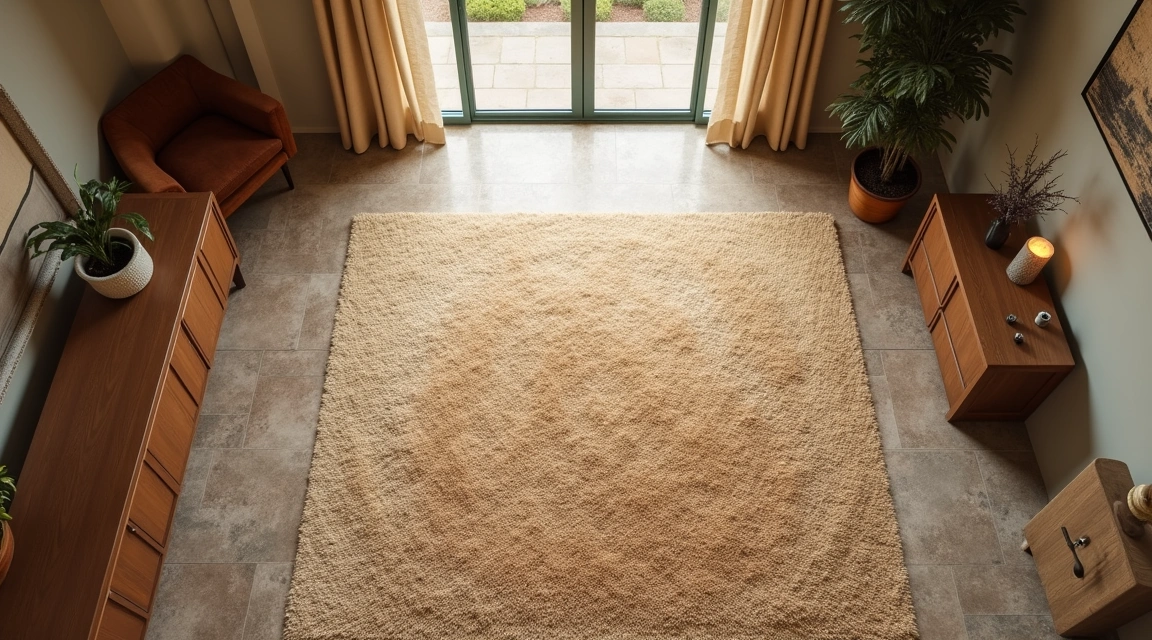
Choosing carpet pile height comes down to balancing practical needs with aesthetic desires. Start by identifying your non-negotiables: traffic level, household members, and maintenance capacity. These factors narrow your options to one or two pile height categories.
Within your practical range, let comfort and style guide your final choice. Order samples, place them in the intended room, and walk on them over several days. Notice how they feel, how light plays across the texture, and whether they coordinate with your furniture.
Remember that carpet is a significant investment designed to last seven to fifteen years with proper care. Taking time to choose the right pile height now prevents frustration and ensures you’ll enjoy your carpet throughout its lifespan. The perfect pile height for your home exists at the intersection of your lifestyle needs, aesthetic vision, and maintenance reality.