

Carpet installation for first-time buyers involves more than selecting a color and texture. Understanding the full cost structure before committing to a purchase helps avoid budget surprises and ensures a smoother renovation experience. For homeowners planning their first carpet project, a comprehensive checklist that accounts for materials, labor, preparation, and hidden fees is essential to making informed decisions.
The total expense of carpet installation typically ranges from material costs to professional services, with significant variation based on room size, carpet quality, and regional labor rates. First-time buyers often underestimate preparation requirements such as subfloor repairs, furniture moving, and disposal of old flooring. Creating a detailed budget that includes these elements prevents mid-project financial strain and allows for better comparison shopping among contractors.
Understanding Material and Labor Components
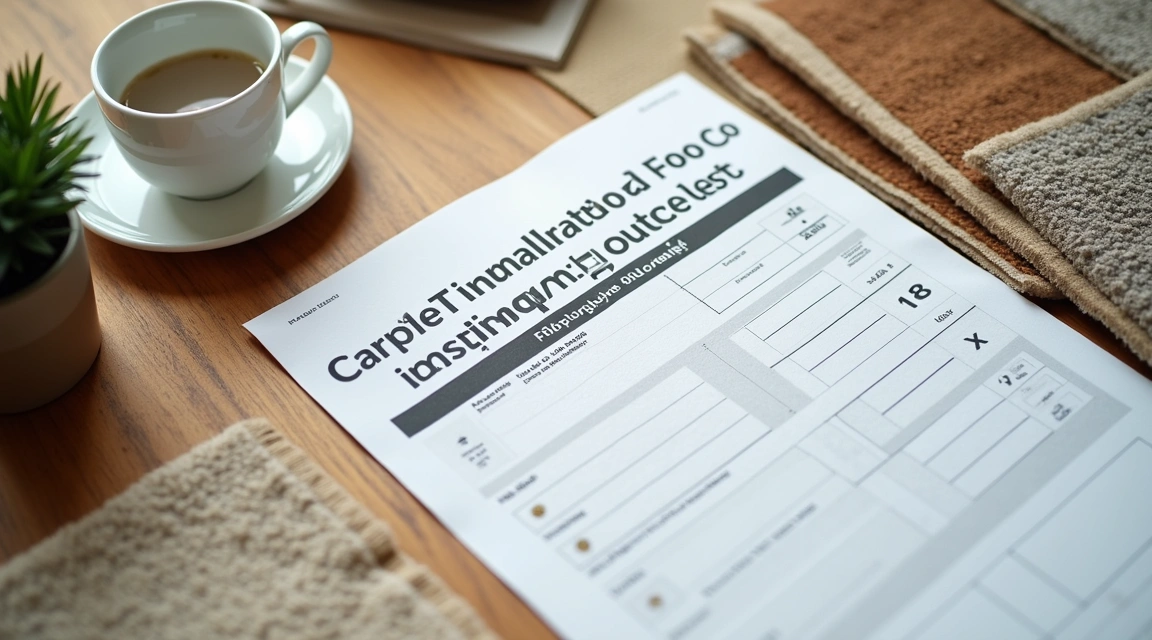
Material costs represent roughly half of most carpet installation budgets. Carpet pricing varies widely depending on fiber type, with synthetic options such as nylon and polyester generally offering lower price points than natural wool. Padding, often overlooked by first-time buyers, adds both comfort and longevity to carpet performance and represents a separate line item in most estimates.
Professional installation labor charges are typically calculated per square foot or per room. Geographic location significantly impacts labor rates, with urban markets generally commanding higher prices than rural areas. When evaluating quotes, ensure the estimate clearly separates material costs from installation fees, as this transparency allows meaningful comparison between contractors.
Additional material considerations include transition strips for doorways, tack strips for carpet edges, and adhesive for certain installation methods. These supplementary materials add incremental costs that first-time buyers should account for when planning total expenditure. Requesting an itemized estimate that lists each component separately provides clarity and helps identify potential areas for cost savings.
Hidden Costs and Preparation Requirements

Subfloor condition directly affects installation success and final costs. Uneven, damaged, or moisture-compromised subfloors require repair or replacement before carpet installation can proceed. Professional inspectors can assess subfloor integrity during the estimate phase, preventing surprise charges after work begins. Buyers should explicitly ask contractors whether the quoted price includes subfloor assessment and what additional charges might apply if repairs are needed.
Furniture removal and replacement represents another frequently overlooked expense. Some installation companies include basic furniture moving in their standard service, while others charge separately or require homeowners to clear rooms entirely before work begins. Clarifying this policy during the estimate phase prevents confusion on installation day and helps budget for potential furniture storage or professional moving services.
Old flooring removal and disposal adds both labor time and material handling fees. If existing carpet, tile, or hardwood must be removed, contractors typically charge for demolition work and disposal fees. Some municipalities require special handling for certain flooring materials, particularly older products that may contain hazardous substances. Asking contractors whether removal is included in the base quote and what disposal methods they use ensures compliance and avoids unexpected charges.
Timeline and Payment Structure Planning

Installation timelines affect both scheduling and potential carrying costs. Standard residential carpet installation for an average-sized room typically requires one to two days, including preparation, installation, and cleanup. Complex layouts, stairs, or rooms requiring extensive furniture moving may extend this timeframe. First-time buyers should confirm the estimated completion schedule and whether the contractor guarantees the timeline or charges additional fees for project extensions.
Payment structures vary among contractors, with common models including full payment upon completion, deposit plus final payment, or staged payments tied to project milestones. Understanding the payment schedule before signing a contract protects both parties and ensures clear financial expectations. Avoid contractors who demand full payment upfront, as this arrangement offers limited recourse if work quality or timeline issues arise.
Warranty coverage for both materials and labor should be documented in writing before installation begins. Carpet manufacturers typically offer separate warranties from installation contractors, and understanding what each warranty covers helps protect the investment. Quality installation companies stand behind their work with labor warranties that address seam separation, improper stretching, or other installation-related defects.
Creating Your Personal Cost Checklist
A practical planning checklist for first-time carpet buyers should include measurement verification, as inaccurate room dimensions lead to material shortages or waste. Measuring rooms independently and comparing those figures against contractor measurements helps catch errors before ordering. Most professionals measure as part of the estimate process, but verifying dimensions provides an additional safety check.
Obtaining multiple written estimates allows meaningful price comparison and helps identify market rates for your specific project. Three to five quotes from licensed, insured contractors provide a realistic range and reveal whether any single estimate is unusually high or suspiciously low. Be cautious of estimates significantly below market average, as they may indicate substandard materials, unlicensed labor, or hidden fees that emerge later.
For homeowners planning broader renovations, coordinating carpet installation with other projects can affect both timing and costs. Installing carpet after painting, electrical work, and other trades complete prevents damage to new flooring and eliminates the need for protective coverings. Discussing project sequencing with general contractors or project managers ensures efficient scheduling and protects your carpet investment.
First-time buyers benefit from exploring financing options if the total project cost exceeds available cash reserves. Some flooring retailers offer promotional financing with deferred interest periods, while home equity lines or personal loans provide alternative funding sources. Comparing interest rates, fees, and repayment terms helps select the most cost-effective financing approach when needed.
For additional guidance on managing renovation expenses and understanding installation pricing structures, visit the Carpet Installation Cost section for comprehensive resources and planning tools.
Planning carpet installation costs thoroughly before committing to a project protects first-time buyers from budget overruns and ensures realistic expectations. By accounting for materials, labor, preparation work, and potential hidden expenses, homeowners create accurate budgets that support successful installations and long-term satisfaction with their flooring investment.