

Walking into a carpet showroom unprepared can lead to hasty decisions, missed opportunities, and buyer’s remorse. Industry professionals consistently emphasize that the questions you ask before stepping foot in a showroom matter more than what you ask once you’re surrounded by samples and sales pitches. A clear pre-visit checklist helps you compare options objectively, budget realistically, and choose carpet that genuinely suits your lifestyle rather than simply looking attractive under showroom lighting.
Recent trends show consumers increasingly prioritizing durability and maintenance requirements over initial appearance, particularly as remote work has extended the daily wear on residential flooring. Understanding your specific needs before engaging with sales staff puts you in control of the conversation and ensures you walk away with carpet that performs well years after installation.
Measure Your Space and Define Your Budget Range
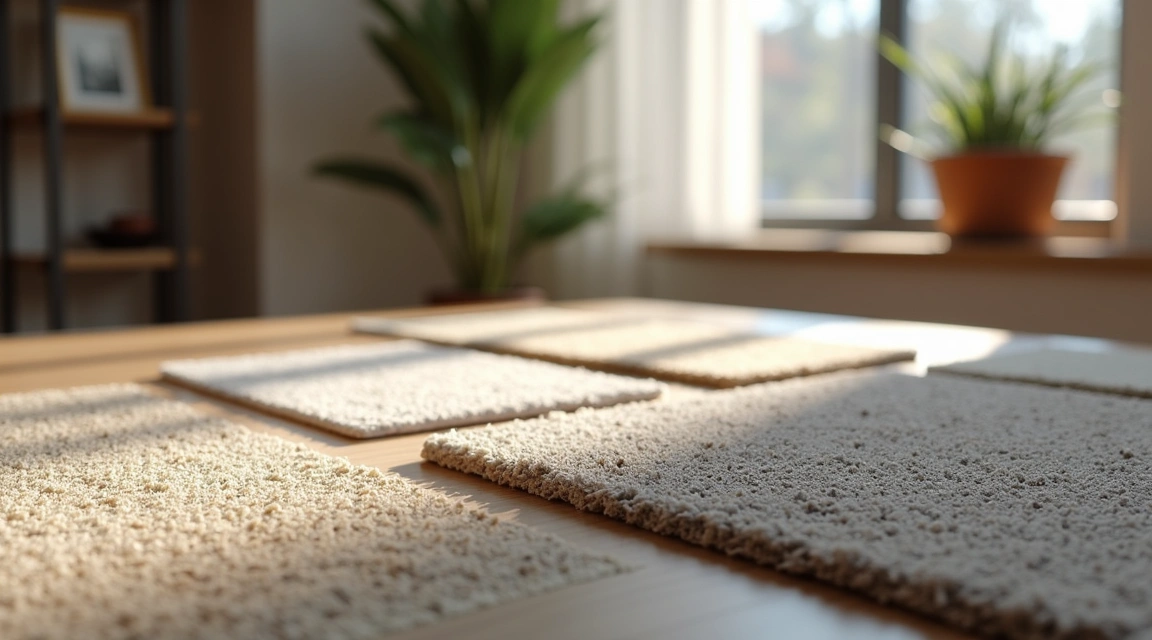
Before visiting any showroom, measure every room requiring carpet. Record length and width in feet, noting irregular corners, closets, and transitions to other flooring types. Most carpet is sold by the square yard, so convert your square footage by dividing by nine to get an approximate yardage. Add ten to fifteen percent for waste, pattern matching, and future repairs.
Establish a realistic total budget that includes carpet, padding, installation labor, removal of existing flooring, disposal fees, and furniture moving. Many shoppers focus exclusively on per-yard carpet cost and experience sticker shock when the final invoice arrives. Installation typically adds three to six dollars per square yard depending on your region and room complexity. Quality padding ranges from one to three dollars per square yard and significantly impacts carpet lifespan and comfort.
Write down your maximum budget and stick to it. Showroom environments are designed to encourage upgrades, and sales staff are trained to emphasize premium features. Having a firm number prevents impulse decisions that strain your finances.
Identify Your Household Traffic and Lifestyle Factors

Carpet performance depends heavily on matching fiber type and density to actual use patterns. Ask yourself specific questions about your household before a salesperson does: How many people live in your home? Do you have pets, and if so, what type and how many? Do you remove shoes at the door or wear them throughout the house? Does anyone in your household have allergies or asthma? Are you planning to stay in this home long-term or sell within a few years?
High-traffic areas such as hallways, stairs, and family rooms require denser construction and resilient fibers like nylon or triexta. Bedrooms with minimal traffic can accommodate softer, less expensive polyester or wool blends. Pet owners should prioritize stain resistance and fiber types that release pet hair easily during vacuuming. If you have young children, consider patterns that disguise stains better than solid colors.
Be honest about your cleaning habits. If you vacuum infrequently or rarely deep-clean carpets, choose low-maintenance options with built-in stain treatments rather than delicate fibers requiring professional care. Lifestyle honesty prevents costly mistakes.
Research Fiber Types and Construction Methods
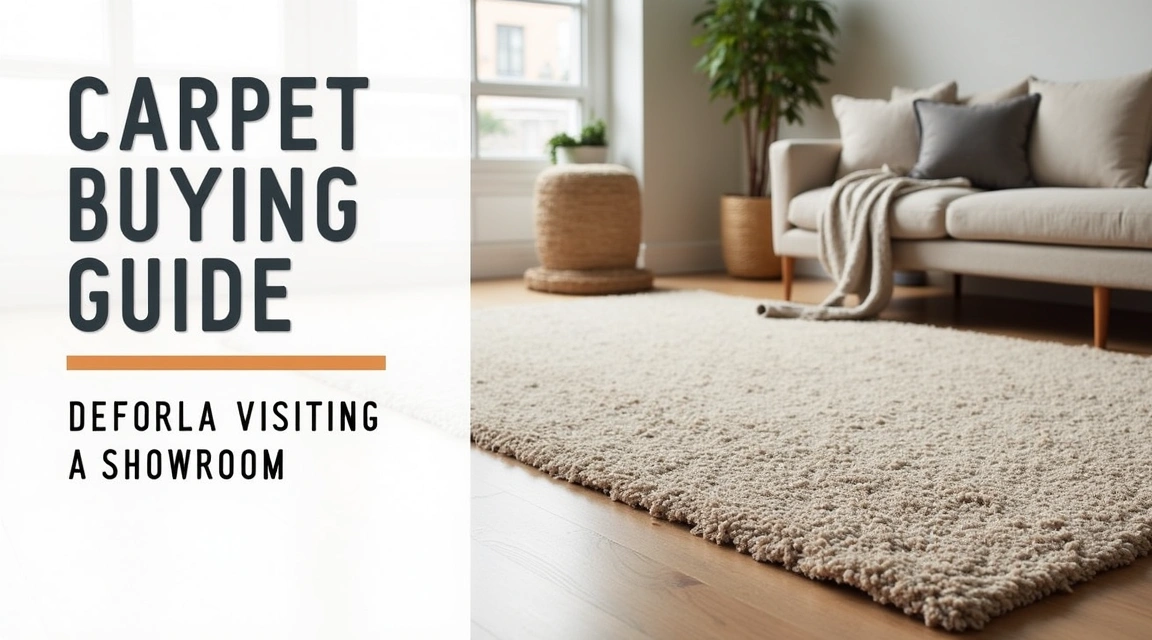
Understanding basic carpet terminology before your showroom visit prevents confusion and helps you ask informed questions. The five primary carpet fibers are nylon, polyester, triexta, polypropylene (olefin), and wool. Each offers distinct advantages and trade-offs.
Nylon remains the most popular residential choice due to exceptional durability, resilience, and wide style availability. It resists matting in high-traffic areas and bounces back after furniture compression. Polyester offers vibrant colors and softness at lower price points but shows wear faster under heavy use. Triexta, a newer synthetic fiber marketed under names like Smartstrand, combines stain resistance with reasonable durability and uses partially plant-based materials. Polypropylene resists moisture and stains effectively but lacks the soft feel many homeowners prefer. Wool provides natural beauty, fire resistance, and longevity but costs significantly more and requires careful maintenance.
Carpet construction also matters. Cut pile (plush, textured, frieze) shows footprints and vacuum marks more than loop pile (Berber, level loop). Cut-and-loop combinations offer pattern interest and practical performance. Density—how tightly fibers are packed—affects longevity more than fiber face weight alone. Before visiting showrooms, familiarize yourself with these terms so you can evaluate samples critically rather than relying entirely on sales descriptions.
Prepare Questions About Warranties and Maintenance
Carpet warranties vary dramatically in coverage and conditions. Prepare specific questions: What does the warranty actually cover—manufacturing defects only, or also stain resistance and texture retention? How long does coverage last, and does it prorate over time? What maintenance actions void the warranty? Do you need professional cleaning receipts to maintain coverage? Are warranties transferable if you sell your home?
Ask about realistic cleaning requirements for each carpet you consider. Some stain treatments require specific cleaning products; using the wrong chemicals voids protection. Determine whether the carpet can be cleaned with standard equipment or requires professional-only methods. Request care instructions in writing rather than relying on verbal assurances.
Inquire about the showroom’s installation process. Who actually installs the carpet—employees or subcontractors? How long has the installation crew worked with this retailer? What does installation include, and what costs extra? Are furniture moving, old carpet removal, and floor preparation included in quoted prices? Understanding the complete process prevents surprise charges and timeline confusion.
Consider Environmental and Health Factors
If indoor air quality concerns you, research low-VOC (volatile organic compound) carpet options and Green Label Plus certification before your visit. New carpet and adhesives release chemicals during the first few days after installation. Certified products meet stricter emissions standards established by independent testing organizations.
Ask showrooms about their environmentally friendly options, including carpets made from recycled materials or rapidly renewable resources. Some manufacturers take back old carpet for recycling rather than sending it to landfills. If sustainability matters to your household, knowing which brands offer these programs helps narrow your choices quickly.
For detailed guidance on evaluating different carpet materials and their performance characteristics, visit our comprehensive Carpet Buying Guide section for additional resources.
Document Your Research and Trust Your Instincts
Create a simple spreadsheet or notebook documenting the carpets you view, their specifications, quoted prices, and your impressions. Take photos of samples you like and note their style numbers. This documentation prevents confusion when comparing multiple showrooms and helps you avoid high-pressure tactics encouraging immediate decisions.
Finally, trust your judgment about the showroom itself. Professional retailers answer questions patiently, provide detailed written quotes, and never pressure you to decide immediately. If a salesperson dismisses your concerns, refuses to provide warranty details in writing, or pushes you toward options clearly outside your stated budget, visit a different showroom. The best carpet purchase combines quality product with trustworthy service and transparent pricing.
Preparation transforms showroom visits from overwhelming experiences into productive conversations where you control the outcome. By answering these questions beforehand, you ensure the carpet you choose serves your household well for years to come.