
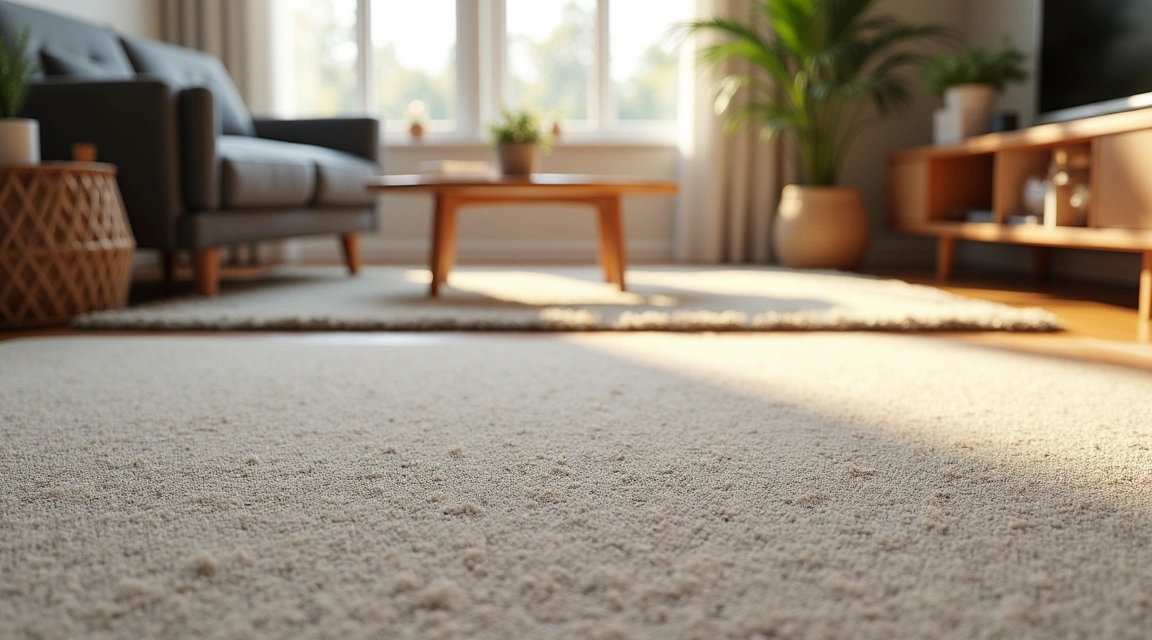
Choosing the right carpet involves more than picking a color that matches your walls. The material, construction, and intended room all play critical roles in determining how long your carpet will look good, how comfortable it will feel underfoot, and how much maintenance you’ll face over the years. This guide walks you through the essential materials, key selection criteria, and room-specific considerations to help you make a confident, informed decision.
Whether you’re outfitting a high-traffic hallway, a cozy bedroom, or a family room where spills are inevitable, understanding the differences between nylon, polyester, wool, and other fibers will save you time, money, and frustration. We’ll also provide a practical comparison table and explain which carpet type suits which living situation, so you can match your purchase to your actual lifestyle rather than marketing claims.
Key Carpet Materials and Their Characteristics
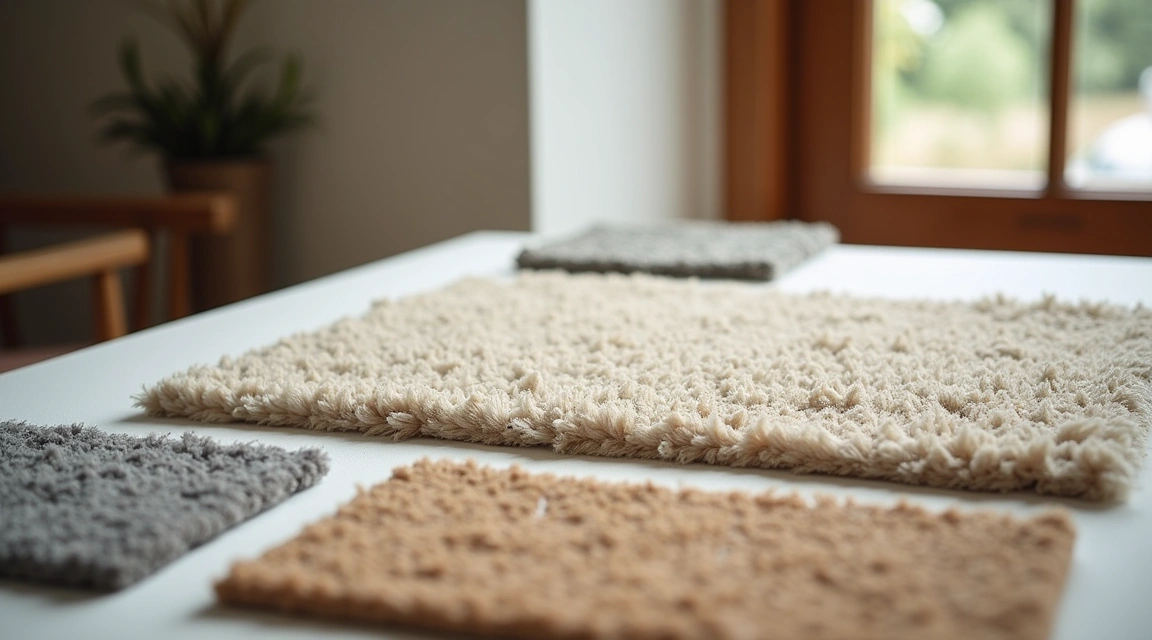
Carpet fibers fall into two broad categories: synthetic and natural. Each family of materials offers distinct advantages, and understanding these differences is the foundation of a smart buying decision.
Nylon remains the most popular synthetic fiber for residential carpets. It’s prized for its resilience, meaning it bounces back after compression and resists matting in high-traffic areas. Nylon also accepts dye well, offering a wide range of colors, and many nylon carpets come with built-in stain resistance. The primary trade-off is cost—nylon typically sits at the higher end of the synthetic spectrum—but its durability often justifies the investment, especially in hallways, stairs, and living rooms.
Polyester delivers vibrant color and a soft, luxurious feel at a lower price point than nylon. It’s naturally stain-resistant to water-based spills, making it a reasonable choice for bedrooms and low-traffic spaces. However, polyester fibers are less resilient than nylon and may mat or crush over time in busy areas. If you prioritize softness and budget over longevity, polyester can work well in the right room.
Olefin (polypropylene) is highly resistant to moisture, mildew, and fading, which makes it popular for basements and outdoor-adjacent spaces. It’s also budget-friendly and easy to clean. The downside is that olefin is the least resilient of the common synthetics, so it’s better suited to areas where crushing and matting won’t be a major concern.
Wool is the premium natural fiber. It’s soft, durable, naturally flame-resistant, and has excellent insulating properties. Wool also resists soiling and can last for decades when properly maintained. The main drawbacks are cost—wool carpets are typically the most expensive option—and a requirement for more careful cleaning. For homeowners who value sustainability, luxury, and long-term performance, wool remains a top choice.
Triexta is a newer synthetic fiber that combines many of the best qualities of nylon and polyester. It’s resilient, stain-resistant, and made partly from renewable plant-based materials. Triexta offers a middle ground in both performance and price, and it’s worth considering if you want a balance between durability and environmental impact.
Comparing Carpet Materials: Which Fiber Fits Your Needs?

To help you quickly assess which material aligns with your priorities, here’s a side-by-side comparison of the most common carpet fibers:
| Material | Durability | Stain Resistance | Softness | Price Range | Best For |
|---|---|---|---|---|---|
| Nylon | High | Good (with treatment) | Moderate | Mid to High | High-traffic areas, stairs, living rooms |
| Polyester | Moderate | Very Good | Very High | Low to Mid | Bedrooms, low-traffic spaces, budget projects |
| Olefin | Low to Moderate | Excellent (moisture) | Moderate | Low | Basements, outdoor-adjacent rooms, rental units |
| Wool | Very High | Good (naturally) | Very High | High | Living rooms, dining rooms, luxury installs |
| Triexta | High | Excellent | High | Mid | Family rooms, kids’ rooms, eco-conscious buyers |
This table highlights the trade-offs you’ll encounter. If your priority is durability and you have a busy household, nylon or triexta will serve you best. If softness and budget matter more and traffic is light, polyester becomes attractive. For basements or areas prone to moisture, olefin’s resistance to mildew is a practical advantage. And if you’re investing for the long haul and want the finest natural fiber, wool stands alone.
Room-by-Room Carpet Selection Checklist
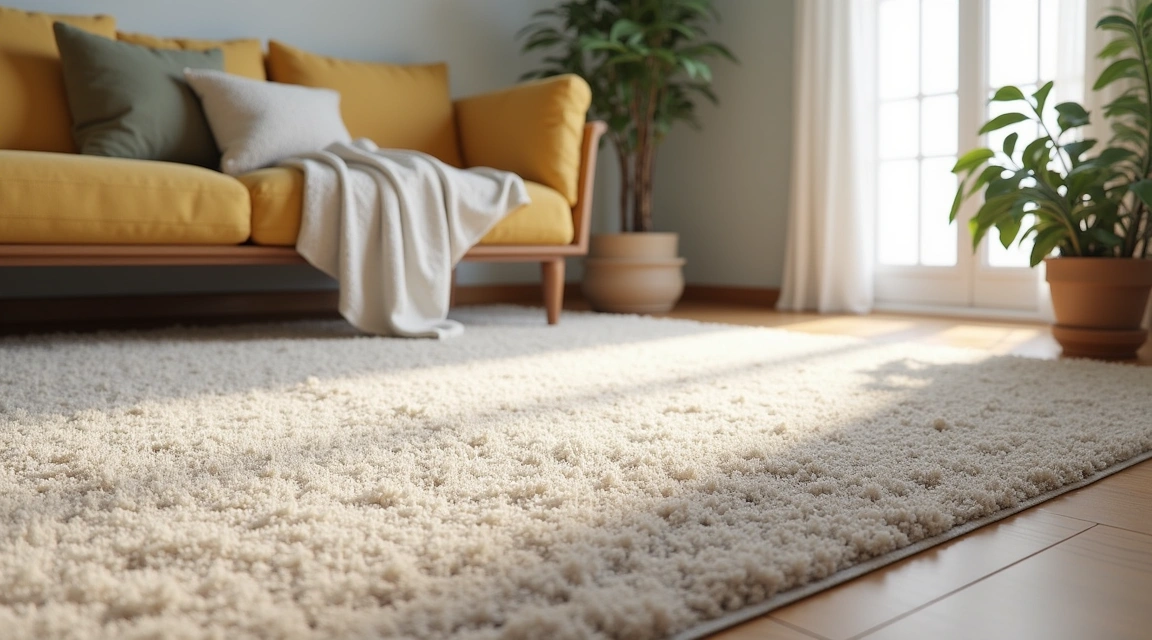
Not all rooms demand the same carpet performance. Matching fiber and construction to the room’s function ensures you get the right balance of comfort, durability, and maintenance.
Living Rooms and Family Rooms
These spaces see constant foot traffic, furniture movement, and the occasional spill. Nylon or triexta carpets with a dense, low-to-medium pile height perform well here. Look for a carpet with a high face weight—the amount of fiber per square yard—as this indicates better durability and resilience. Stain-resistant treatments are valuable, especially if you have children or pets.
Bedrooms
Comfort is the primary concern in bedrooms, where traffic is low and softness underfoot matters most. Polyester or wool carpets with a plush or textured pile deliver that cozy feel. Since spills are rare and compression isn’t a major issue, you can prioritize softness and color over heavy-duty performance. This is also a good room to experiment with lighter shades that might show wear too quickly in busier areas.
Stairs and Hallways
These are the highest-traffic zones in most homes, and durability is non-negotiable. Nylon is the go-to choice, thanks to its resilience and ability to withstand repeated compression. Choose a low-pile or loop construction, which resists crushing better than plush styles. Hallways also benefit from darker colors or patterned carpets that can hide wear and dirt between cleanings.
Basements and Bonus Rooms
Moisture control becomes the deciding factor in below-grade spaces. Olefin is naturally resistant to mildew and moisture, making it a practical basement choice. Alternatively, if the basement is finished and climate-controlled, nylon or triexta can work. Always ensure proper padding and moisture barriers are installed to prevent problems from below.
Dining Rooms
Dining rooms face frequent spills and chair movement, so stain resistance and durability are both important. Wool or nylon carpets with stain treatments handle this combination well. Consider a low-profile loop or cut-and-loop construction that resists snagging from chair legs. Some homeowners prefer area rugs over wall-to-wall carpet in dining rooms for easier cleaning and replacement.
If you’re exploring flooring options across your entire home, you may also want to review our Carpet Buying Guide section for additional insights on padding, installation, and maintenance.
Additional Selection Factors Beyond Material
While fiber type is critical, carpet construction and other features also shape performance and satisfaction.
Pile type refers to how the carpet fibers are constructed. Cut pile, where fiber loops are cut, creates a soft, plush feel. Loop pile, where loops remain intact, offers durability and texture. Cut-and-loop combines both for patterned designs and added resilience. Match pile type to room function: plush for bedrooms, loop for stairs and heavy-traffic areas.
Density and twist matter as much as the fiber itself. Carpet with tightly twisted fibers and high density will resist crushing and wear better than loose, open constructions. When shopping, bend a carpet sample back on itself—if you see a lot of backing, the density may be too low for heavy use.
Padding is often overlooked but critical to carpet longevity and comfort. A quality pad extends carpet life, improves insulation, and enhances underfoot feel. Thickness isn’t the only measure; density and material type also matter. Consult your installer about the best pad for your chosen carpet and room type.
Warranties provide insight into manufacturer confidence. Look for wear, stain, and texture-retention warranties. Understand what’s covered and what actions might void coverage—some warranties require professional cleaning at specific intervals.
Making Your Final Decision
Start by listing your priorities: budget, traffic level, desired comfort, and maintenance tolerance. If you have pets or young children, stain resistance and durability move to the top. If you’re outfitting a quiet bedroom or guest room, softness and color become more important.
Visit showrooms with samples in hand and test them under your home’s lighting. Carpet color and texture can look very different under fluorescent store lights versus natural or LED home lighting. Bring paint chips or fabric swatches to ensure the carpet coordinates with your existing decor.
Don’t skip the fine print on warranties and return policies. Understand cleaning requirements and whether professional installation is mandatory to maintain warranty coverage. Ask your installer about realistic maintenance expectations for the material and construction you’re considering.
Finally, factor in the total installed cost, not just the carpet price per square foot. Padding, removal of old flooring, furniture moving, and installation labor can add substantially to your budget. Request detailed written estimates from at least two installers to compare not just price, but also scope of work and timeline.
Conclusion: Match Carpet to Lifestyle, Not Just Style
The right carpet material depends on where you’ll use it, how much traffic it will endure, and what level of maintenance you’re willing to commit to. Nylon and triexta offer the best all-around performance for busy homes. Polyester delivers softness and value for low-traffic rooms. Olefin suits moisture-prone spaces, and wool provides unmatched luxury for those willing to invest.
Use the comparison table and room-by-room checklist as a starting point, but don’t hesitate to ask detailed questions at the showroom or from your installer. Carpet is a long-term investment in comfort, and taking the time to match material, construction, and room function will pay dividends in both appearance and durability for years to come.